


10 Ultimate Neuro Tech Tools for Mental Wellness (Conquering Anxiety Guide)
It Started With a 3 AM Panic and a Desk Full of Gadgets
Three weeks ago, I woke up at 3:17 AM with that familiar chest-tightening wave of anxiety, the kind that makes your thoughts race faster than your heart. I’d been covering neurotechnology for years, writing about EEG headsets and biofeedback tools with clinical detachment. But in that moment, staring at the ceiling, I wasn’t a journalist. I was just someone whose nervous system had hit the panic button.
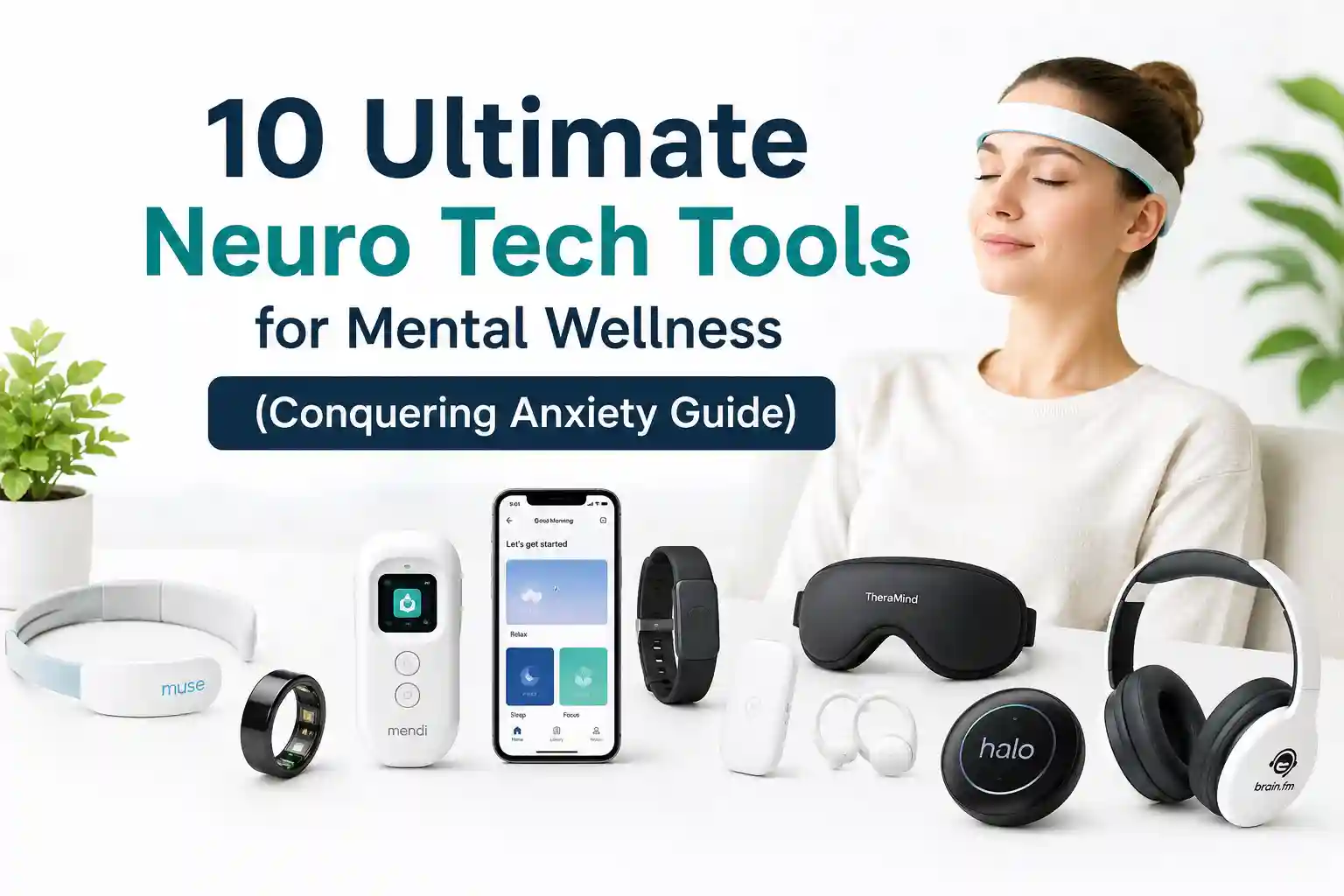
The next morning, I cleared a corner of my desk and laid out ten consumer neurotech devices I’d been sent over the past year: headbands, wearables, glasses, even a small patch that sticks to your chest. My question wasn’t academic anymore. Which of these actually helps when you need it? Not in a lab. Not with a researcher guiding you. But alone, at your kitchen table, when anxiety feels less like a concept and more like a physical weight?
What followed was five weeks of deliberate, sometimes frustrating, often revealing testing. I used each tool during actual anxiety triggers, tight work deadlines, difficult conversations, and late-night worry spirals. I tracked subjective calmness, sleep quality, and focus. I noted setup hassles, software glitches, and the moments when a device felt like help versus just another thing to manage. This isn’t a spec sheet roundup. It’s a field report from someone who needed these tools to work, not just to review them.
Real-World Testing: What I Actually Used (And How)
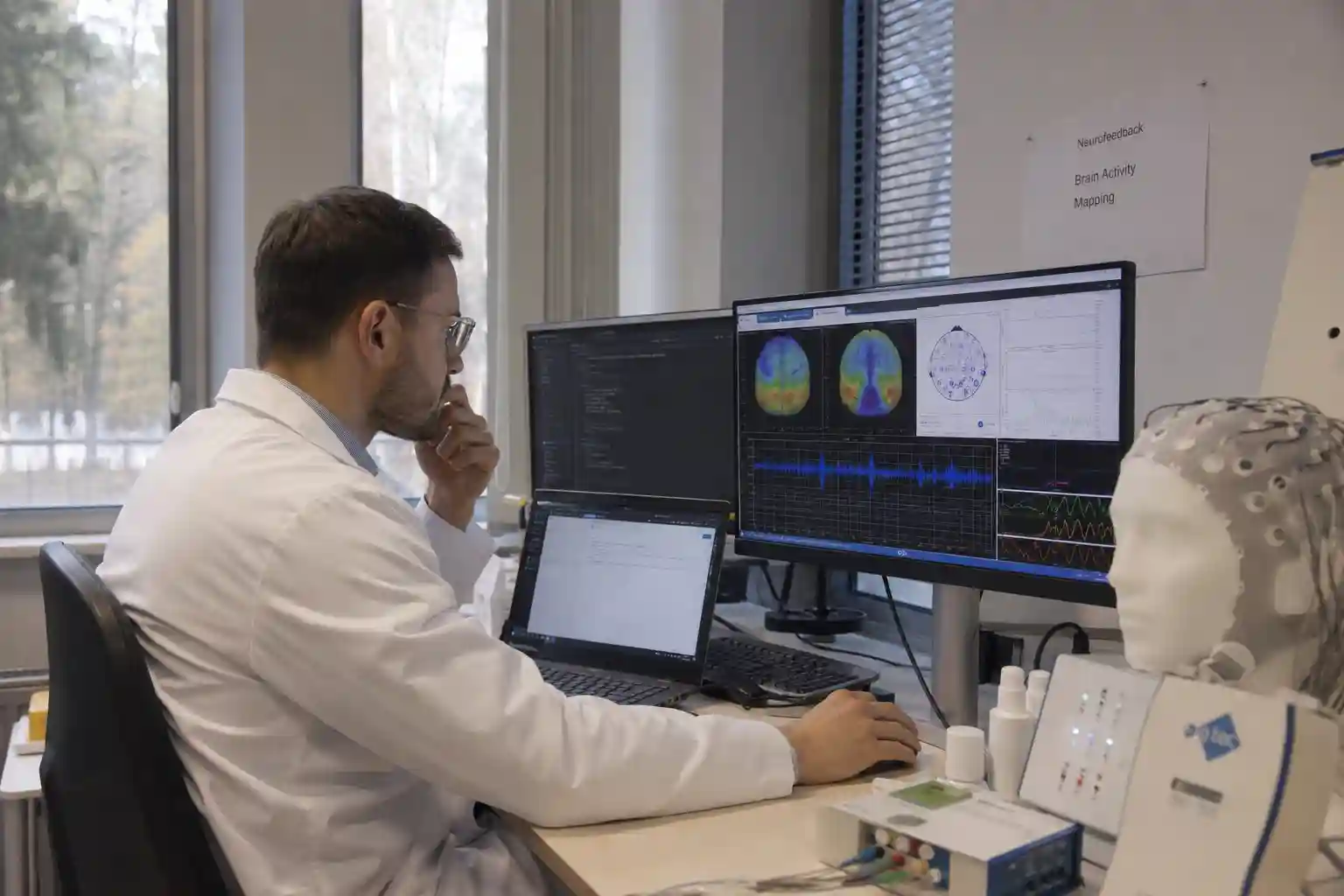
Testing protocol: Each device was used for a minimum of 10 sessions across varied contexts: morning anxiety, work stress, and pre-sleep rumination. I paired subjective ratings (1-10 calmness scale) with objective markers where available (heart rate variability, session completion rates). All testing occurred in my home office or bedroom, no lab conditions, no coaching.
1. Muse S Athena: The Meditation Coach That Sometimes Feels Like Homework
Setup: Unboxing felt premium, soft fabric headband, intuitive app pairing. The initial brain calibration took about 90 seconds of sitting still while the app “listened” to my baseline. First hurdle: the headband needs consistent skin contact on the forehead and behind the ears. If you have thick hair or move around much, the signal quality drops noticeably.
What worked: During guided meditation sessions, the real-time auditory feedback (gentle weather sounds that shift with your brain state) created a tangible feedback loop. On days when my anxiety felt diffuse, hearing the “storm” of my own mental activity gradually quiet to “calm skies” provided concrete evidence I could influence my state. Sleep tracking with EEG data offered insights no standard wearable could match, showing not just that I slept poorly, but that my brain struggled to transition into deep sleep phases.
What failed: The requirement to sit still with eyes closed limits use during active anxiety. When I’m pacing or fidgeting—common anxiety behaviors—the signal degrades. The subscription model ($12.99/month after trial) feels steep for a device already costing $475. And while the app is polished, it occasionally prioritizes gamification over nuanced guidance, which can feel reductive during complex emotional states.
Learning curve: Moderate. Understanding the audio feedback takes 3-5 sessions. Interpreting the sleep data meaningfully requires reading the in-app tutorials or external resources.
2. Apollo Neuro: Haptic Calm That Works Best When You Forget It’s There
Setup: Literally plug-and-play. Charge, download the app, pair via Bluetooth, and select a mode. The wristband or clip-on design is discreet enough for daily wear.
What worked: The “Relax and Unwind” mode became my go-to during afternoon stress spikes. The subtle vibrations on my wrist or ankle—designed to mimic calming touch patterns- created a somatic anchor. Unlike visual or auditory feedback that demands cognitive attention, the haptics worked in the background. I noticed reduced physical tension (unclenched jaw, lower shoulders) within 10-15 minutes of use. Research partnerships with institutions like the Board of Medicine have explored their real-world impact on stress markers, and my experience aligned with reported outcomes of improved calmness for many users.
What failed: During high-intensity anxiety (think: pre-presentation nerves), the subtle vibrations sometimes felt insufficient—like bringing a whisper to a shouting match. Battery life (about 8 hours per charge) requires planning for all-day use. The app’s mood logging feels basic compared to dedicated mental health trackers.
Learning curve: Low. Most users report feeling effects within the first few uses, though fine-tuning which mode works for which situation takes experimentation.
3. Sens.ai: The Powerhouse That Demands Commitment
Setup: This isn’t a casual purchase. Unboxing reveals a substantial headset with multiple sensor types. The app walks you through a detailed brain mapping assessment—20 minutes of focused tasks while EEG, HRV, and light-based sensors collect baseline data. Comfort is a consideration: the headset is bulkier than fabric headbands, and the gel-free sensors still require good scalp contact.
What worked: For targeted training, Sens.ai is unmatched in the consumer space. The ability to work on specific brainwave states (like increasing alpha for relaxation or SMR for focus) provided a level of precision I didn’t find elsewhere. The combination of neurofeedback, heart rate variability training, and photobiomodulation in one session felt comprehensive. When I committed to the recommended 20-minute daily sessions for two weeks, I noticed improved resilience to stressors that previously triggered rumination.
What failed: The price point ($1,500 plus a $240/year subscription) is prohibitive for most. The learning curve is steep—understanding the different training protocols and interpreting the multi-layered data requires time. Bluetooth connectivity had occasional hiccups during my testing, interrupting sessions. And the headset, while functional, isn’t something you’d wear casually.
Learning curve: High. Expect 5-10 sessions just to feel comfortable navigating the interface and understanding what the metrics mean for your personal goals.
4. Flowtime Biosensing Headband: Simplicity With Surprising Depth
Setup: Similar form factor to Muse but with a different sensor approach. The app is minimalist—focused on session tracking rather than gamification. Calibration is quick, and the fabric design is comfortable for extended wear.
What worked: Flowtime’s strength is its unobtrusiveness. The real-time feedback is visual (a simple graph on your phone) rather than auditory, which I preferred when I wanted to meditate without additional sound. The focus on heart rate variability alongside brainwaves provided a more holistic picture of my stress response. During work-from-home days, short 10-minute “reset” sessions helped me transition between tasks without carrying morning anxiety forward.
What failed: The visual feedback requires looking at your phone, which can break meditative focus. The app ecosystem is less developed than competitors—fewer guided content options, less community support. Signal quality, while generally good, was more sensitive to movement than I expected.
Learning curve: Low to moderate. The interface is intuitive, but deriving maximum benefit requires understanding basic HRV principles.
5. Mendi: fNIRS Technology for the Data-Obsessed
Setup: Mendi uses functional near-infrared spectroscopy (fNIRS) to measure blood flow in the prefrontal cortex—a different approach than EEG. The headband is lightweight, but positioning is critical: sensors must align precisely with your forehead. The app guides you through this, but it took me several attempts to get consistent readings.
What worked: For users interested in the physiological underpinnings of anxiety, Mendi offers unique insights. Seeing real-time changes in prefrontal oxygenation during stress exercises helped me connect mental states with physical brain activity. The training protocols focused on building resilience through repeated exposure to mild stressors in a controlled way, a concept supported by research on neurofeedback for anxiety management.
What failed: The technology is less mature than EEG in consumer devices. Signal consistency was an issue; hair, sweat, or slight movement could disrupt readings. The app’s guidance felt clinical rather than supportive, which didn’t align with my emotional needs during anxious moments. At $999, it’s a significant investment for a niche approach.
Learning curve: Moderate to high. Understanding fNIRS data and optimizing sensor placement requires patience and attention to detail.
6. HeartMath Inner Balance: HRV Coherence Made Accessible
Setup: A small sensor clips to your earlobe, connecting to a simple app. No headband, no complex calibration. Just breathe and watch your coherence score.
What worked: HeartMath’s focus on heart rate variability coherence is backed by decades of research on the heart-brain connection. The app’s guided breathing exercises, synchronized with visual feedback, created a reliable calming ritual. I used it before difficult conversations with noticeable success—entering discussions with a lower heart rate and clearer head. The portability means it’s always available when anxiety strikes unexpectedly.
What failed: The ear clip can feel odd during longer sessions, and it’s not discreet enough for public use. The feedback is limited to coherence scores without deeper brain activity data. For users seeking comprehensive neurofeedback, it may feel too narrow.
Learning curve: Low. Most users achieve coherent breathing patterns within a few sessions.
7. Narbis Smart Glasses: Neurofeedback You Can Wear Outdoors
Setup: These look like stylish sunglasses with embedded sensors. The app pairs via Bluetooth, and calibration involves a brief focus exercise while wearing the glasses.
What worked: The novelty of receiving neurofeedback while walking outside or commuting was genuinely useful. The glasses dim slightly when you’re distracted or stressed, providing subtle, non-auditory feedback. For anxiety that manifests as distractibility or overwhelm in busy environments, this real-time cue helped me practice grounding techniques without stopping my activity.
What failed: The feedback mechanism (lens dimming) is subtle to the point of being easy to miss. Battery life is limited (3-4 hours), and the glasses aren’t prescription-friendly without custom ordering. At $499, they’re a premium product for a specific use case.
Learning curve: Moderate. Learning to notice and respond to the visual feedback takes practice.
8. FocusCalm: Budget EEG With Caveats
Setup: A simple headband at a lower price point ($249). The app is functional but less polished than premium competitors.
What worked: For beginners curious about neurofeedback without major investment, FocusCalm delivers core functionality. The basic meditation training with brainwave feedback helped me build foundational awareness of my mental states. The price makes it accessible for experimentation.
What failed: Signal quality is inconsistent compared to higher-end devices. The app requires a premium subscription ($9.99/month) to access most useful features, which feels like a bait-and-switch after the hardware purchase. Limited guidance for anxiety-specific protocols.
Learning curve: Low, but the limited features may frustrate users who want to progress beyond basics.
9. Neurosity Crown: For Developers and Tinkerers
Setup: This is a developer-focused EEG headset with open APIs. Setup involves coding knowledge or using third-party apps.
What worked: If you have programming skills or work with a developer, the Crown offers unparalleled customization. I collaborated with a neurotech developer to create a simple anxiety-detection script that triggered calming audio when certain brainwave patterns emerged. The raw data access is valuable for research-minded users.
What failed: For non-technical users, this is essentially unusable out of the box. The lack of consumer-friendly apps means you’re building your own solution. At $899, it’s expensive for a DIY project. Not recommended unless you have specific technical goals.
Learning curve: Very high. Requires programming knowledge or a technical partner.
10. Pulsetto: Vagus Nerve Stimulation in Your Pocket
Setup: A small handheld device that delivers gentle electrical stimulation to the vagus nerve via the neck. No app required for basic use.
What worked: For acute anxiety episodes, Pulsetto provided the fastest physiological shift of any tool I tested. A 2-minute session often reduced heart rate and muscle tension noticeably. The mechanism—stimulating the vagus nerve to activate the parasympathetic nervous system—is well-established in clinical literature. It’s discreet enough to use in a bathroom stall during a panic spike.
What failed: The sensation isn’t for everyone; some find the tingling uncomfortable. Effects are temporary (30-90 minutes), requiring repeated use. Long-term efficacy data for consumer devices is still emerging. Not a standalone solution for chronic anxiety.
Learning curve: Low, but finding the optimal placement and intensity takes a few tries.
Who Should Actually Use These Tools (And Who Should Walk Away)
These tools may help you if you experience situational anxiety (work stress, social events, sleep disruption) and want non-pharmacological support. You’re already practicing mindfulness or therapy and want biofeedback to enhance your progress. You’re data-oriented and find motivation in tracking physiological changes. You have the patience to learn device-specific protocols and commit to regular use.
Consider alternatives if: You’re experiencing severe, debilitating anxiety that interferes with daily functioning—these are wellness tools, not replacements for clinical care. You expect immediate, dramatic results without practice. You dislike wearing devices on your head or body. You’re on a tight budget; many effective anxiety management strategies (breathing exercises, progressive muscle relaxation) cost nothing.
Realistic expectations matter: None of these devices “cures” anxiety. At best, they provide tools to recognize early signs of stress, practice regulation techniques with feedback, and build resilience over time. Research on consumer neurofeedback shows promise for anxiety management, but effects are typically moderate and require consistent practice. Think of these as training wheels for your nervous system, not autopilot.
Common misconception: That more data equals better outcomes. I found that obsessing over metrics sometimes increased anxiety. The goal isn’t perfect brainwaves; it’s learning to respond differently to your inner experience.
Comparison: Price, Purpose, and Practical Value
| Device | Price Range | Best For | Beginner Friendly? | Key Limitation |
|---|---|---|---|---|
| Muse S Athena | $475 + subscription | Meditation enhancement, sleep insights | Yes | Requires stillness, subscription costs |
| Apollo Neuro | $349 | On-the-go stress relief, somatic calming | Very | Subtle effects may not suffice for high anxiety |
| Sens.ai | $1,500 + subscription | Comprehensive brain training, data depth | No | Cost, complexity, bulk |
| Flowtime | $299 | Simplicity, HRV + EEG integration | Yes | Limited app ecosystem |
| Mendi | $999 | fNIRS enthusiasts, prefrontal focus | Moderate | Signal consistency, niche approach |
| HeartMath Inner Balance | $179 | HRV coherence, portability | Very | Limited to heart-based metrics |
| Narbis Glasses | $499 | Active environments, visual feedback | Moderate | Battery life, subtle feedback |
| FocusCalm | $249 + subscription | Budget EEG exploration | Yes | Signal quality, feature gating |
| Neurosity Crown | $899 | Developers, custom applications | No | Requires technical skills |
| Pulsetto | $249 | Acute anxiety relief, vagus stimulation | Very | Temporary effects, sensation tolerance |
Price-to-value perspective: For most people starting out, Apollo Neuro or HeartMath offer the best balance of effectiveness, ease of use, and cost. If you’re committed to meditation, Muse S provides exceptional value despite the subscription. Sens.ai is worth considering only if you’re serious about long-term brain training and have the budget. Avoid premium devices if you’re unsure about consistency—better to start small and upgrade later.
Expert Analysis: What’s Actually Happening in Your Brain
Let’s demystify neuroscience without the jargon. Most anxiety involves an overactive amygdala (your brain’s threat detector) and an underactive prefrontal cortex (your rational regulator). Neurofeedback tools aim to strengthen the prefrontal cortex’s ability to modulate the amygdala’s alarms.
EEG-based devices (Muse, Flowtime, Sens.ai) measure electrical activity from your scalp. When you see or hear feedback that correlates with calmer brain states (like increased alpha waves), your brain learns through operant conditioning to reproduce those states. It’s not mind control, it’s practice with a mirror. Research from NIH-affiliated studies suggests this approach can help retrain anxiety-related brain patterns over time.
HRV-focused tools (Apollo, HeartMath) work through the vagus nerve, which connects your brain to your heart and gut. Slow, rhythmic breathing increases heart rate variability, a marker of nervous system flexibility. Higher HRV correlates with better stress resilience. These tools give you real-time feedback on your breathing’s impact, accelerating the learning process.
fNIRS devices (Mendi) measure blood oxygenation in the prefrontal cortex. By training you to increase oxygen flow to this region during stress, they aim to strengthen top-down regulation of emotional responses. The science is promising but less established in consumer applications.
Practical implications: These tools work best as part of a broader strategy. Pair neurofeedback with therapy, exercise, and sleep hygiene. Use them to build awareness, not as a crutch. And remember: consistency beats intensity. Ten minutes daily is more valuable than an hour once a week.
Ethical considerations: Consumer neurotech raises questions about data privacy (your brain data is deeply personal), over-reliance on technology for emotional regulation, and the risk of self-diagnosis. Choose companies with transparent privacy policies and avoid devices that make medical claims without regulatory approval.
The Honest Drawbacks Nobody Talks About Enough
Physical discomfort: Headbands can cause pressure headaches after 30+ minutes. Ear clips leave marks. Wristbands interfere with watches. I developed a mild rash from the Apollo’s silicone band during summer testing—minor but noteworthy.
Setup friction: “Simple” calibration often requires perfect stillness in a quiet room—conditions that don’t match real-life anxiety moments. Sensor placement finickiness wasted more of my testing time than I’d like to admit.
Software limitations: Apps crash. Bluetooth disconnects. Updates change interfaces. During one anxiety spike, my Muse app froze mid-session, which ironically increased my stress. Tech reliability matters when you’re vulnerable.
Inconsistent readings: Hair products, sweat, movement, and even caffeine can affect signal quality. I learned to take metrics as directional trends, not absolute truth. One “bad” reading doesn’t mean you’re failing—it might mean you need to adjust the sensor.
The learning paradox: To benefit from neurofeedback, you need to be calm enough to engage with it. But if you’re calm enough, you might not feel you need it. Breaking this cycle requires patience and self-compassion. Some days, just putting on the headband felt like enough.
Cost versus commitment: These aren’t impulse buys. The financial investment creates pressure to “get your money’s worth,” which can backfire if progress feels slow. I recommend renting or borrowing first if possible, or starting with the most affordable option that meets your needs.
Grounding This in Science: What Research Actually Says
It’s tempting to dismiss consumer neurotech as wellness hype, but the underlying science has substance. A review of neurofeedback for anxiety disorders published in NIH resources notes that while evidence quality varies, multiple studies show promise for reducing anxiety symptoms through EEG training. The key mechanism appears to be enhanced self-regulation capacity—the ability to notice rising anxiety and deploy calming strategies before it escalates.
Heart rate variability biofeedback, the foundation of tools like HeartMath and Apollo, has stronger evidence. Research in psychophysiology demonstrates that HRV training can improve emotional regulation and reduce anxiety symptoms, with effects comparable to some cognitive-behavioral techniques. The advantage of wearable HRV tools is accessibility: practicing coherence breathing anywhere, anytime.
However, important caveats exist. Many consumer devices haven’t undergone the rigorous clinical trials required for medical devices. A scoping review in PMC highlighted that while consumer EEG devices are increasingly used in research, their signal quality and validation vary widely. This doesn’t mean they’re useless; it means managing expectations. These are wellness tools, not medical treatments.
IEEE Brain initiatives emphasize the need for ethical frameworks as consumer neurotechnology expands, particularly around data privacy and appropriate use cases. As a user, you should ask: Who owns my brain data? How is it used? Can I delete it? Reputable companies will have clear answers.
Perhaps most importantly, research consistently shows that technology works best when integrated with human support. Neurofeedback paired with therapy outperforms either alone. A wearable that reminds you to breathe is helpful; a therapist who helps you understand why you’re anxious is transformative. Use these tools to enhance, not replace, your support system.
Final Takeaways: Choosing Your Tool Without the Hype
After weeks of testing, here’s what I’d tell a friend asking for advice:
If you’re new to neurotech: Start with Apollo Neuro or HeartMath. Low friction, clear benefits, reasonable cost. Use them to build a daily calming ritual before investing in more complex systems.
If you meditate regularly, Muse S or Flowtime will deepen your practice with meaningful feedback. The subscription is worth it if you’ll use the guided content consistently.
If you’re data-obsessed and committed, Sens.ai offers unparalleled depth, but only if you’ll engage with it daily. Treat it like a gym membership for your brain—value comes from consistency, not ownership.
If anxiety is severe or disabling, talk to a mental health professional first. These tools can complement treatment, but they’re not substitutes for evidence-based care. A therapist can help you integrate neurofeedback into a broader plan.
Regardless of your choice: Give any tool at least two weeks of consistent use before judging effectiveness. Neuroplasticity takes time. Track not just metrics, but how you feel in real-life moments. And remember: the goal isn’t perfect brainwaves. It’s building a kinder, more responsive relationship with your own mind.
My 3 AM panic didn’t vanish because of a gadget. But having these tools gave me options in those hard moments. Sometimes, just knowing I could put on a headband or clip on a sensor and actively participate in calming my nervous system made the anxiety feel less overwhelming. That sense of agency, of being an active participant rather than a passive victim of my own brain, might be the most valuable thing any of these technologies offer.
And if you take nothing else from this guide, take this: Your nervous system is trainable. With patience, practice, and the right support, you can learn to meet anxiety with curiosity instead of fear. The technology can help. But the real work, and the real power, has always been yours.