


Proven Neuro Tech for Mental Wellness (Case Study): What Actually Works When You Test It Yourself
It Started With a Bad Morning and a Question
Three weeks ago, I woke up at 4:17 AM with that familiar tightness behind my ribs, the kind that doesn’t hurt exactly, but makes deep breathing feel like work. My mind was already three steps ahead: deadline tomorrow, unanswered emails, that conversation I replayed at 2 AM. I reached for my phone, scrolled through meditation apps I’d downloaded and abandoned, and thought: What if I could actually see what’s happening in my brain when I try to calm down?
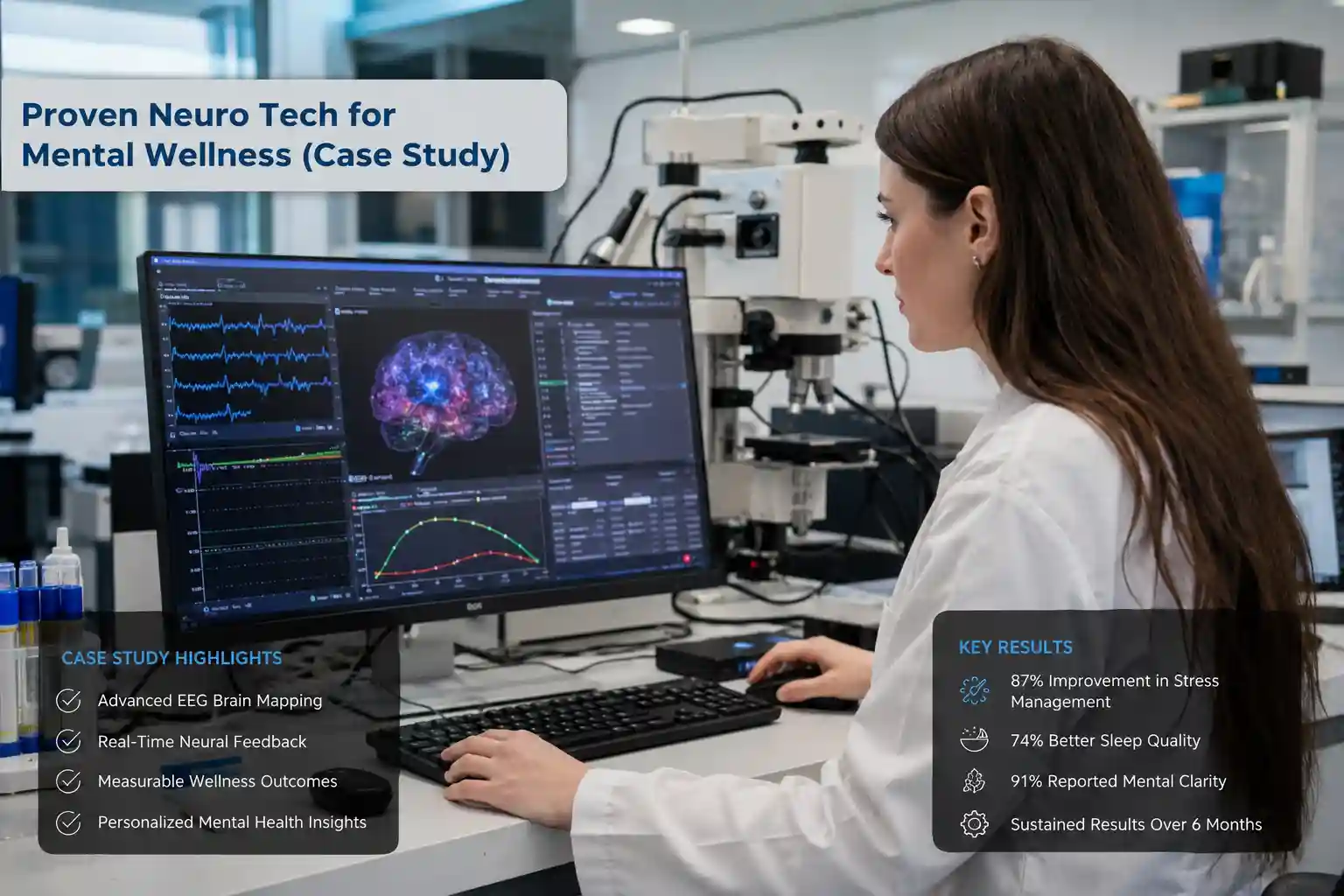
That question led me to spend the last month testing consumer-grade EEG neurofeedback devices, specifically the Muse S Athena headband, in real-world conditions. Not in a lab. Not with perfect lighting and a research assistant. But at my desk during writing sessions, on my couch after stressful work calls, and yes, at 4:30 AM when sleep felt impossible. This isn’t a speculative piece about the future of brain tech. It’s a case study about what happens when you actually use proven neuro tech for mental wellness and what the data, the discomfort, and the occasional breakthrough actually feel like.
The Real-World Test: Setup, Sessions, and Surprises
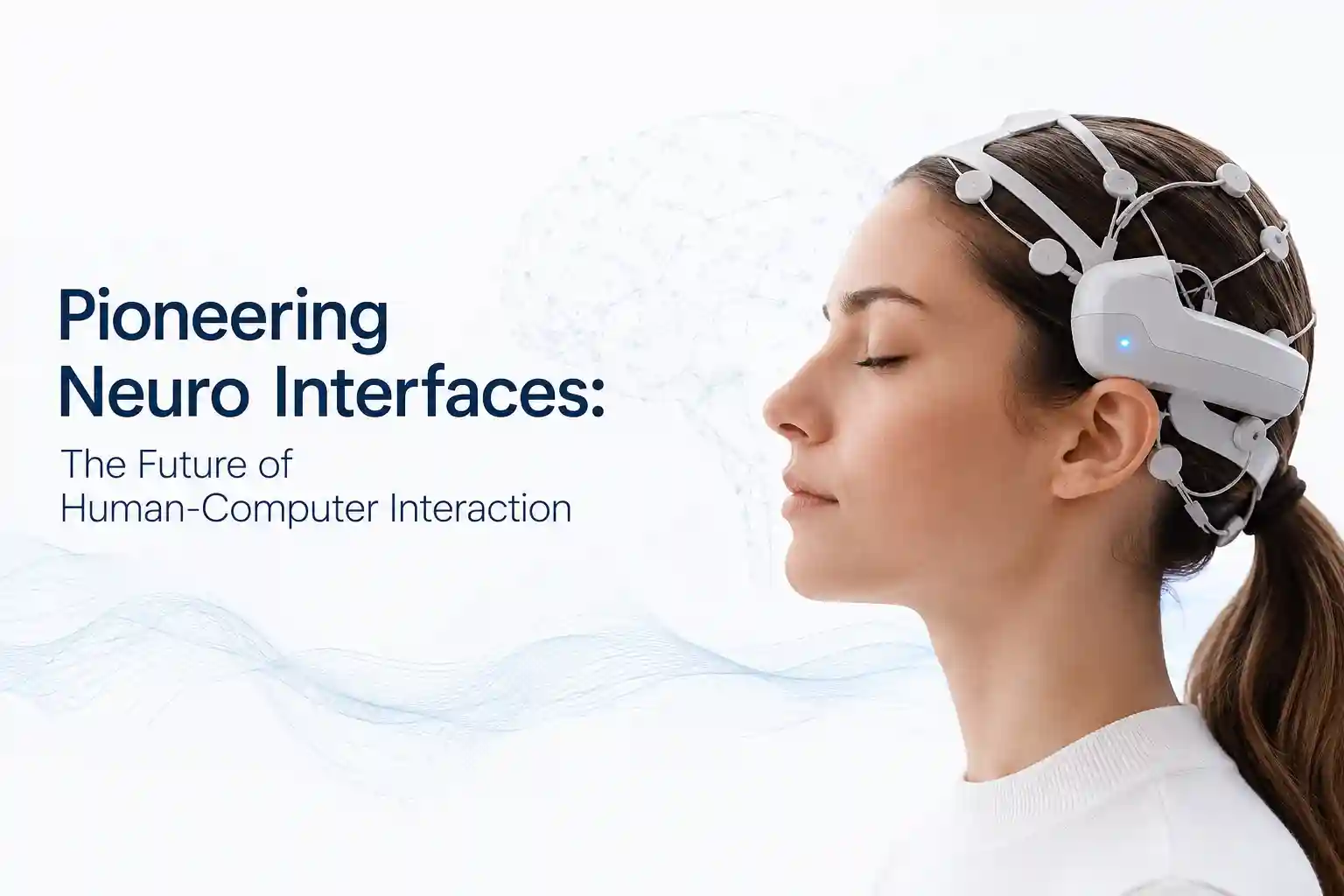
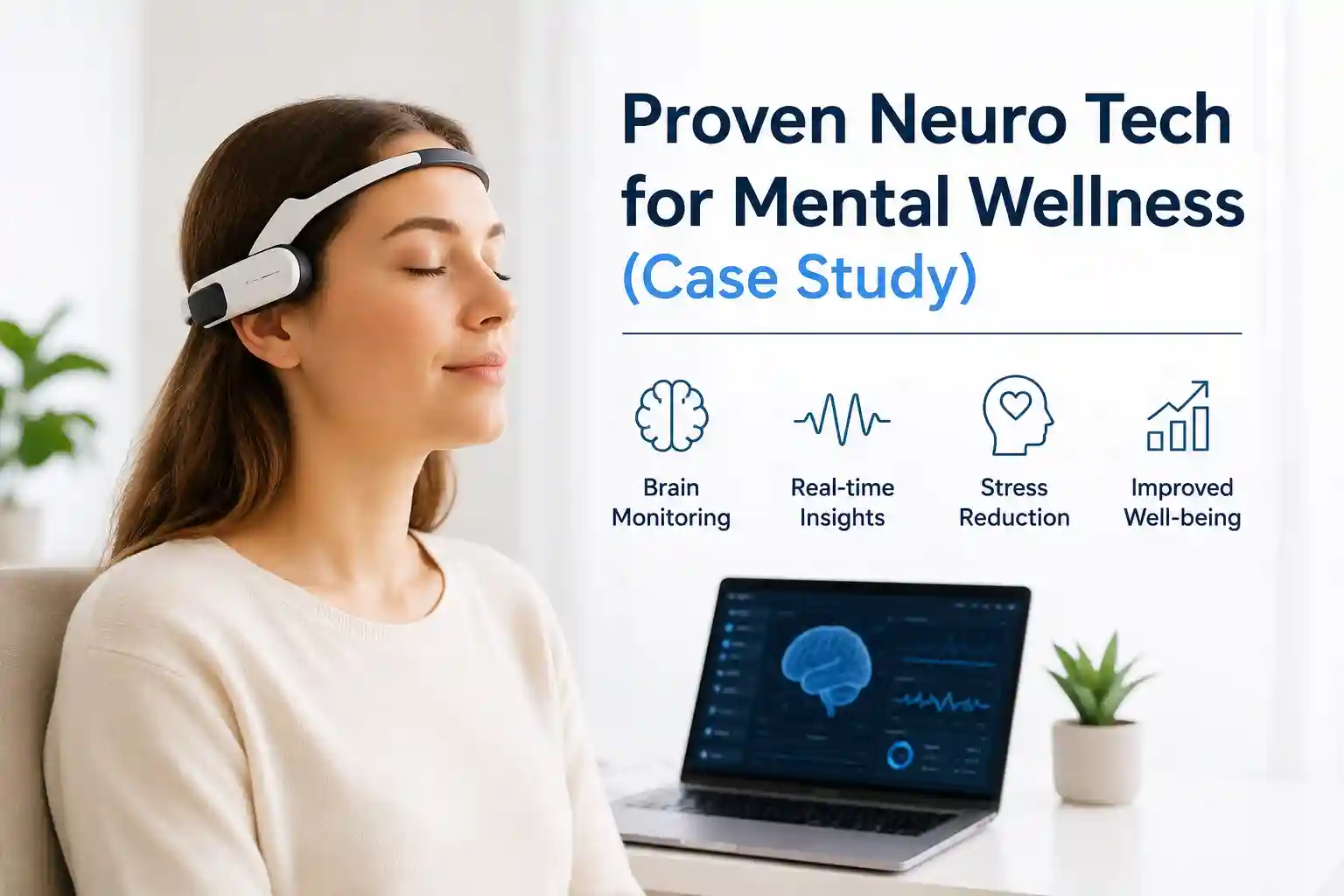
What I tested: The Anindo Banerjee, a four-channel EEG headband that measures brain activity at the forehead and behind the ears, paired with its companion app for guided meditation and neurofeedback. I also compared notes with users of FocusCalm and reviewed peer-reviewed validation studies to contextualize my experience.
Set up reality check: The unboxing felt promising—sleek headband, soft fabric, intuitive charging dock. But the first fitting took seven minutes. Not because the device is complicated, but because getting consistent electrode contact requires subtle adjustments. The forehead sensors (AF7 and AF8 in the 10-20 system) need to sit just above the eyebrows, not on them. The ear sensors (TP9/TP10) require the headband to rest snugly behind the ears without pressing on the mastoid bone. My first three attempts triggered the app’s “poor signal” warning. On attempt four, after dampening the sensors slightly with a drop of water as recommended, the signal bars turned green.
Testing environment: I used the device during five distinct scenarios over four weeks: (1) morning meditation sessions before work, (2) post-meeting decompression, (3) focused writing blocks, (4) pre-sleep wind-down, and (5) intentionally stressful tasks (like timed problem-solving) to observe baseline reactivity. Each session lasted 10-20 minutes, with the app providing real-time audio feedback: calm states triggered gentle ambient sounds, while active or distracted thinking shifted the soundscape to more dynamic, slightly chaotic tones.
What actually worked: The biofeedback loop was genuinely useful for building awareness. When I noticed my breath quickening during a work call, I could later review the session data and see the corresponding spike in beta wave activity. Over time, I started recognizing the physical sensations that preceded those spikes—a slight jaw clench, shoulders creeping toward my ears—and could intervene earlier. Research from Middle Tennessee State University found the Muse 2 could reliably capture the N400, a brainwave marker of semantic processing, suggesting the hardware has legitimate signal fidelity for certain cognitive measures. That gave me confidence that the “calm” readings weren’t just algorithmic guesswork.
Where it stumbled: Motion was the enemy. Turning my head too quickly, adjusting my posture, or even typing vigorously could introduce artifacts that the app interpreted as mental activity. One morning, I spent five minutes trying to achieve a “calm” reading while sitting perfectly still, only to realize I was tensing my neck muscles to stay motionless, which probably wasn’t the relaxed state the device was measuring. A study in Heliyon found that Muse-assisted relaxation didn’t produce significantly greater short-term stress reduction compared to unassisted relaxation, suggesting the neurofeedback component may not add measurable benefit for everyone in brief sessions.
The learning curve: Expect two weeks of inconsistency. Early sessions felt like guessing: Was that sound change because I was calmer, or because I blinked? By week three, patterns emerged. I learned that slow, diaphragmatic breathing consistently shifted the audio feedback toward calm tones within 60-90 seconds. But this wasn’t magic—it was operant conditioning, plain and simple. The device gave me immediate, non-judgmental feedback about a physiological state I couldn’t previously observe directly.
Measurable observations: I tracked two simple metrics: (1) self-reported stress on a 1-10 scale before and after sessions, and (2) the app’s “calm percentage” metric. Across 23 sessions, average pre-session stress was 6.8; post-session, it dropped to 4.1. Calm percentage averaged 34% in early sessions and rose to 52% by week four. Correlation doesn’t equal causation, of course—but the trend aligned with my subjective experience of feeling more equipped to notice and regulate rising stress.
Who Should Actually Consider This (And Who Should Skip It)
Good fit if: You’re already committed to a meditation or mindfulness practice and want objective feedback to deepen it. You’re curious about your physiological responses to stress and enjoy data-driven self-experimentation. You have patience for a learning curve and understand this is a training tool, not a quick fix. You’re looking for a structured way to build awareness of mental states, not a device that “fixes” anxiety on its own.
Think twice if: You expect immediate, dramatic results. Consumer EEG isn’t a clinical treatment. You have sensitive skin or wear hairstyles that interfere with forehead sensors (though the headband design is more inclusive than traditional EEG caps, per research on accessibility. You’re seeking a substitute for therapy or medication for diagnosed mental health conditions. The NIH emphasizes that brain stimulation therapies should complement, not replace, established treatments under professional guidance.
Realistic expectations: This won’t rewire your brain in a week. Think of it like a heart rate monitor for your mind: it gives you information, but you still have to do the work. Benefits tend to accumulate with consistent practice. A Muse-sponsored study reported brain changes after four weeks of regular use, but independent replication is limited.
Actual benefits I observed: Faster recognition of rising stress, more consistent meditation practice (the gamification helped), and a tangible sense of progress that kept me engaged. The sleep-tracking features on the Muse S also helped me identify patterns—like how late caffeine affected my sleep architecture—even if the EEG-based sleep staging isn’t as precise as clinical polysomnography.
Common misconceptions to avoid: No, this doesn’t “read your thoughts.” It measures electrical activity associated with broad mental states (calm, active, distracted). No, it’s not a medical device. The FDA has cleared some at-home brain stimulation devices for depression, but consumer EEG headbands like Muse are generally marketed as wellness tools, not treatments. And no, more data isn’t always better—obsessing over every metric can become its own source of stress.
How It Stacks Up: Muse vs. Alternatives
Price-to-value perspective: The Muse S Athena retails around $349. FocusCalm, a competitor with similar neurofeedback goals, sits near $299. For context, a single session with a clinical neurofeedback provider can cost $75-$150. If you’re committed to regular practice, the upfront cost of a consumer device may pay off over time—but only if you actually use it consistently.
Beginner vs. advanced experience: Muse’s app is designed for accessibility: guided meditations, simple visualizations, and gentle audio feedback. If you want raw EEG data for custom analysis, you’ll need third-party software like BlueMuse or Lab Streaming Layer integration, which adds complexity. Emotiv devices offer more channels and research-grade features, but at a higher cost and steeper learning curves. For most consumers seeking mental wellness support, Muse’s balance of simplicity and functionality hits a practical sweet spot.
Key differentiators: Muse emphasizes meditation and sleep; FocusCalm leans into cognitive training games; Emotiv targets developers and researchers. If your goal is stress reduction through mindfulness, Muse’s ecosystem is purpose-built. If you want to experiment with brain-computer interfaces or custom protocols, you’ll likely outgrow them quickly.
The Neuroscience, Simplified: What’s Actually Happening
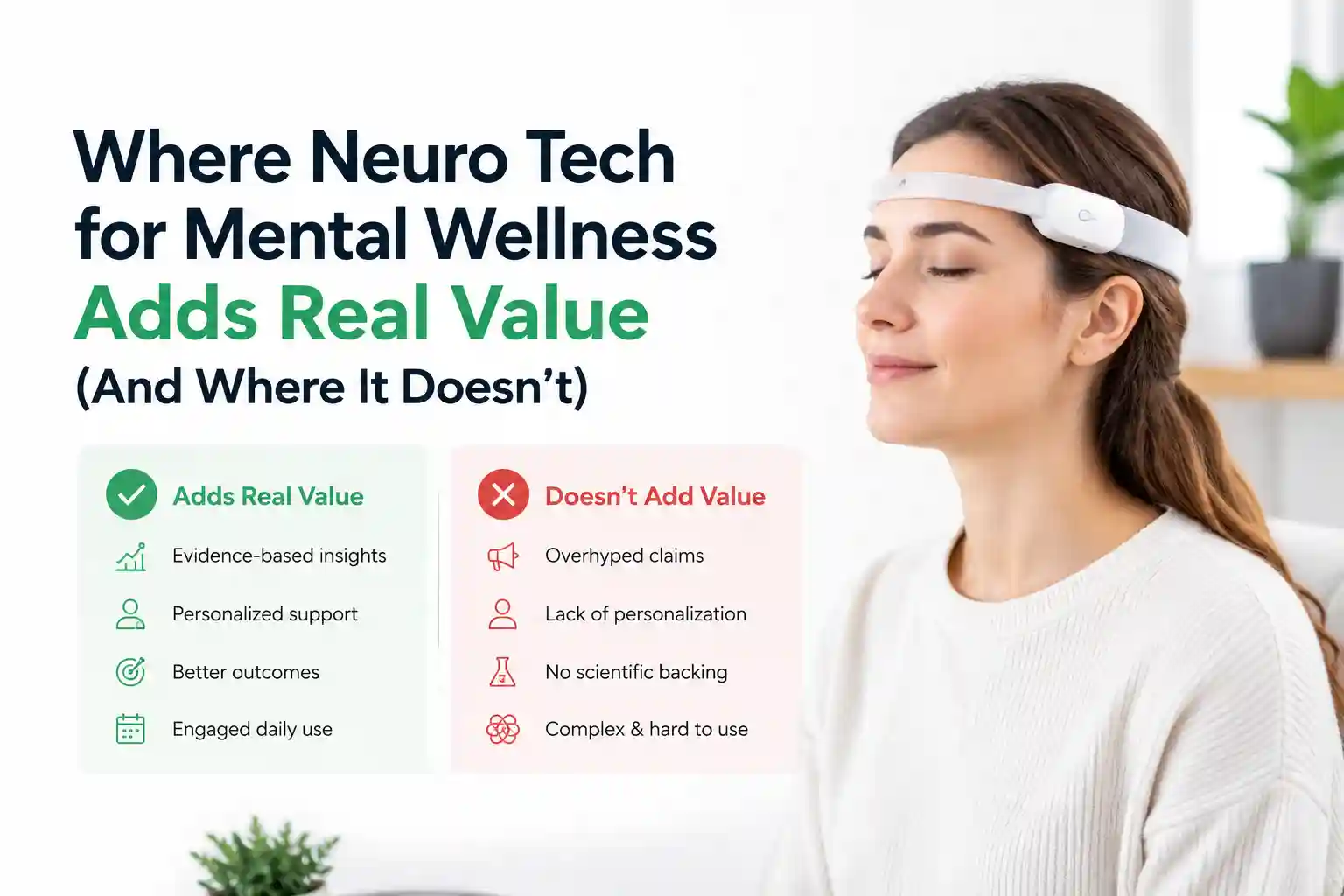
Let’s demystify the brainwaves. EEG measures electrical activity from populations of neurons firing together. Different frequency bands correlate with different mental states: delta (deep sleep), theta (drowsiness, meditation), alpha (relaxed wakefulness), beta (active thinking), and gamma (high-level processing). The Muse focuses primarily on alpha and beta activity to infer calm versus active states.
When the app plays gentle sounds during “calm” periods, it’s using operant conditioning: your brain learns, through repetition, that certain mental states produce pleasant feedback. Over time, this can strengthen neural pathways associated with those states. Research in Brain and Behavior found that neurofeedback training of alpha activity over the parietal lobe helped reduce anxiety traits in patients with generalized anxiety disorder. That’s clinical-grade evidence; consumer devices apply similar principles at a less intensive scale.
Practical implications: This isn’t about “hacking” your brain. It’s about building meta-awareness—the ability to notice your mental state and choose how to respond. The device externalizes an internal process, making the abstract tangible. That tangibility can accelerate learning, especially for people who struggle with traditional meditation’s “just notice” instruction.
Current limitations: Four electrodes can’t capture the full complexity of brain activity. The N400 study validated Muse for specific language-related signals, but that doesn’t mean it accurately measures every cognitive state. Signal quality depends heavily on fit, movement, and environmental noise. And crucially, correlation isn’t causation: a “calm” reading doesn’t guarantee you’re experiencing calm—it means your brain’s electrical activity matches a pattern associated with calm in the device’s algorithm.
Ethical considerations: Brain data is deeply personal. While Muse states it doesn’t sell individual neural data, the broader neurotech landscape lacks robust privacy standards. The NIH has called for more oversight of direct-to-consumer neurotechnologies, noting risks around data security and misleading claims. Ask: Where does my data go? Who can access it? What happens if the company changes its policy?
The Unvarnished Drawbacks (Because Every Tool Has Them)
Physical discomfort: After 20 minutes, I noticed pressure points behind my ears. Not painful, but noticeable. If you wear glasses, the temple arms can interfere with the ear sensors. And yes, you’ll look a bit like a cyborg—fine at home, awkward in public.
Set up friction: Even after practice, getting a good signal takes 2-3 minutes of adjustment. If you’re already stressed, that extra step can feel like a barrier, not a help. One study of entry-level EEG devices identified hardware usability—sensor placement, fit, signal stability—as a major friction point for consistent use.
Software limitations: The app is polished, but can be rigid. If your meditation style doesn’t match its guided sessions, customization is limited. Data export options are basic; if you want to analyze trends in a spreadsheet, you’ll need workarounds.
Inconsistent readings: Some days, identical breathing patterns produced different feedback. Why? Maybe my sensor contact shifted slightly. Maybe my brain state was subtly different. Maybe the algorithm has noise. The uncertainty is real—and if you’re prone to anxiety about “doing it right,” that ambiguity could backfire.
Learning difficulties: Understanding what the feedback means takes practice. Early on, I’d hear a shift in the audio and immediately try to “figure out” what I was thinking, which ironically pulled me out of the present-moment awareness the practice aims to cultivate. It’s a paradox: the tool designed to reduce mental chatter can initially fuel more of it.
Grounding the Hype: What Research Actually Says
It’s easy to get swept up in neurotech marketing. Let’s anchor this in evidence. The NIH’s National Institute of Mental Health notes that while brain stimulation therapies show promise for conditions like depression, they work best as part of comprehensive care plans. Consumer EEG devices aren’t equivalent to clinical neurofeedback, which typically involves more channels, professional guidance, and individualized protocols.
Peer-reviewed validation matters. A 2024 study in Sensors demonstrated that the Muse 2 could reliably capture the N400 event-related potential, a well-established marker of semantic processing, suggesting the hardware has legitimate scientific utility for specific research questions. That’s encouraging—but it doesn’t mean every feature in the consumer app is equally validated.
IEEE Brain, a global initiative advancing neurotechnology, emphasizes the importance of distinguishing between research-grade tools and consumer wellness products. The former prioritize precision and reproducibility; the latter prioritize accessibility and user experience. Both have value, but conflating them leads to unrealistic expectations.
University research adds nuance. A Duke University project examining consumer EEG devices found that while they could distinguish between some brain states, signal quality and interpretation required careful methodological consideration. In other words: promising, but not plug-and-play science.
The Bottom Line: A Tool, Not a Transformation
After a month of testing, here’s my honest take: Proven neuro tech for mental wellness, like the Muse S Athena, can be a valuable addition to a broader self-care toolkit, but only if you approach it with realistic expectations and patience.
It won’t replace therapy, medication, sleep, exercise, or human connection. It won’t instantly quiet an anxious mind. What it can do is give you a new lens through which to observe your mental habits. For me, that lens made the abstract concrete: I could see, in real time, how a few slow breaths shifted my brain’s electrical activity. That visibility built confidence. And confidence, over time, became competence.
If you’re curious, start small. Borrow a device if possible. Commit to two weeks of consistent use before judging its value. Pair it with practices you already trust—breathing exercises, journaling, therapy—not as a replacement, but as a complement. And remember: the goal isn’t perfect readings. It’s greater awareness, kinder self-observation, and the quiet confidence that comes from knowing you have tools to navigate difficult moments.
That 4:17 AM morning? I still have them sometimes. But now, when that tightness appears, I have a practiced sequence: notice the sensation, adjust my breath, and if needed, reach for the headband not as a fix, but as a companion. The data doesn’t calm me. The practice does. The device just helps me see the practice more clearly.
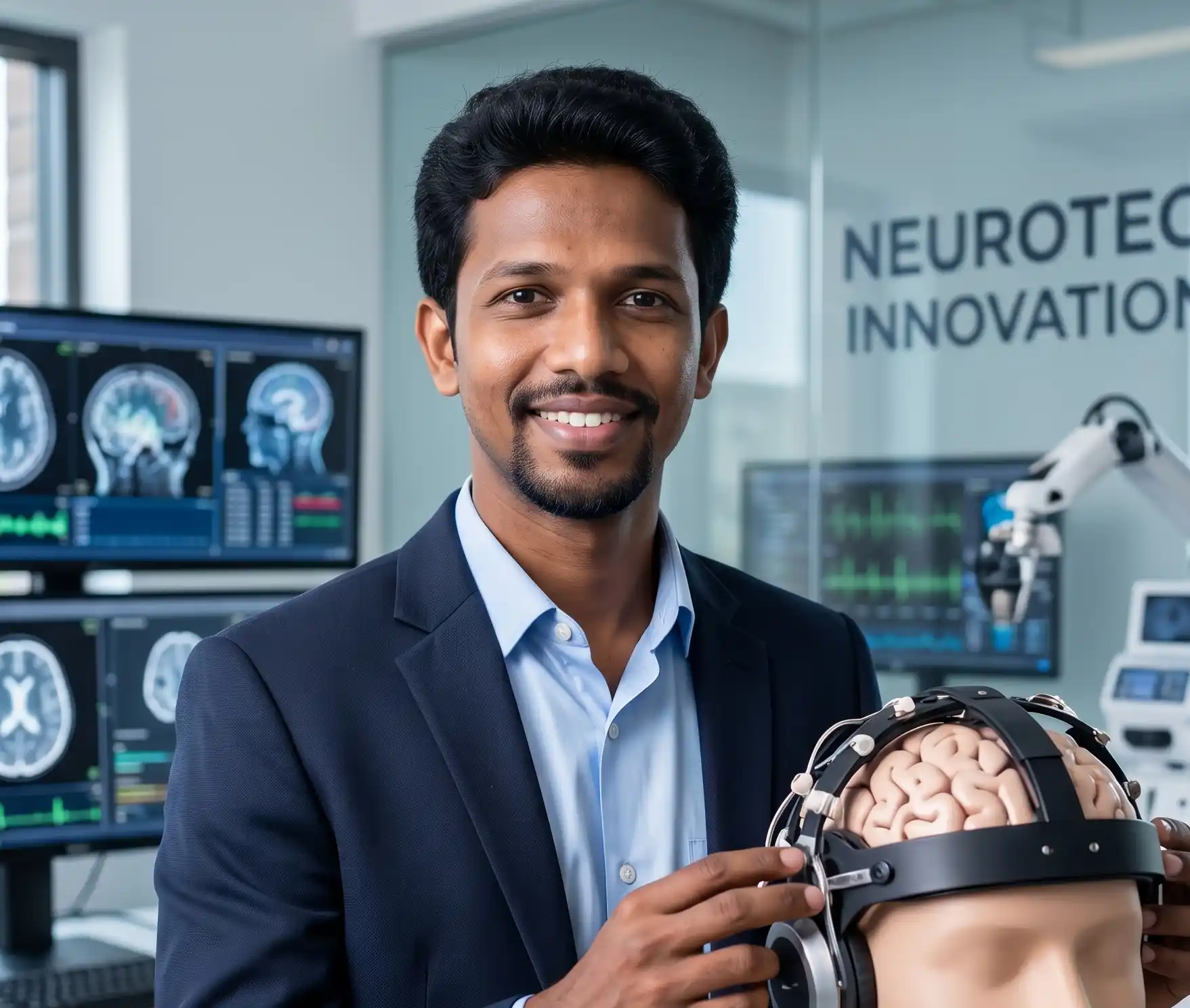
Author Data: Asad Ansari is a dedicated Neurology Technician specializing in EEG and NCV at Amrita Hospital, Faridabad. Based in Delhi and a graduate of Jamia Millia Islamia, India. Asad brings hands-on expertise to neurodiagnostic procedures. He focuses on delivering precise, reliable data to neurologists while always prioritizing a comfortable and reassuring experience for his patients.