


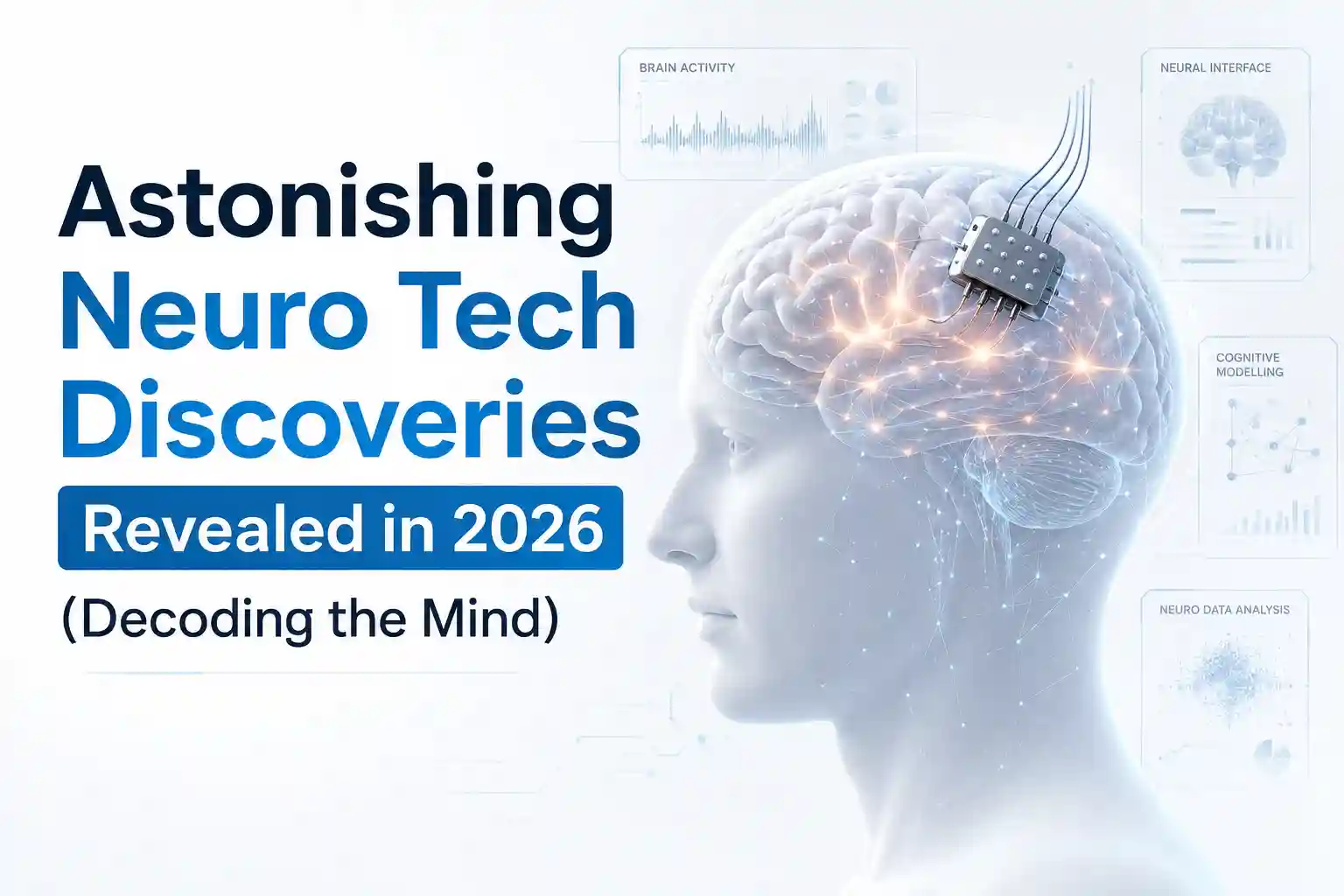
Astonishing Neuro Tech Discoveries Revealed in 2026: Decoding the Mind Without the Hype
It was 6:47 AM, and My Brain Was Supposed to be “optimized.”
I’d just clipped the NAOX LINK earbuds into place, the tiny in-ear EEG sensors pressing gently against my tragus, and opened the companion app. The screen showed a real-time waveform labeled “Focus Readiness.” My coffee hadn’t even cooled yet. The promise? These earbuds could detect when my brain was primed for deep work and nudge me with a subtle audio cue when my attention started to drift.
Three days earlier, I’d unboxed four different consumer neurotech devices: the NAOX LINK earbuds, LumiMind’s LumiSleep headband, the FRENZ Brainband SuperBrain Edition, and a prototype Neurable x HyperX gaming headset. My goal wasn’t to chase sci-fi fantasies. I wanted to know: Do these things actually help regular people do regular things better? And more importantly, what do they get wrong, and who ends up paying for those mistakes?
After five consecutive mornings of testing during actual work sessions (writing long-form articles, analyzing research papers, debugging code), I can tell you this: the gap between marketing claims and lived experience is still wide. But the progress since 2024 is undeniable. Consumer neurotechnology in 2026 isn’t about mind-reading. It’s about pattern recognition—and whether those patterns translate to meaningful improvements in your day.
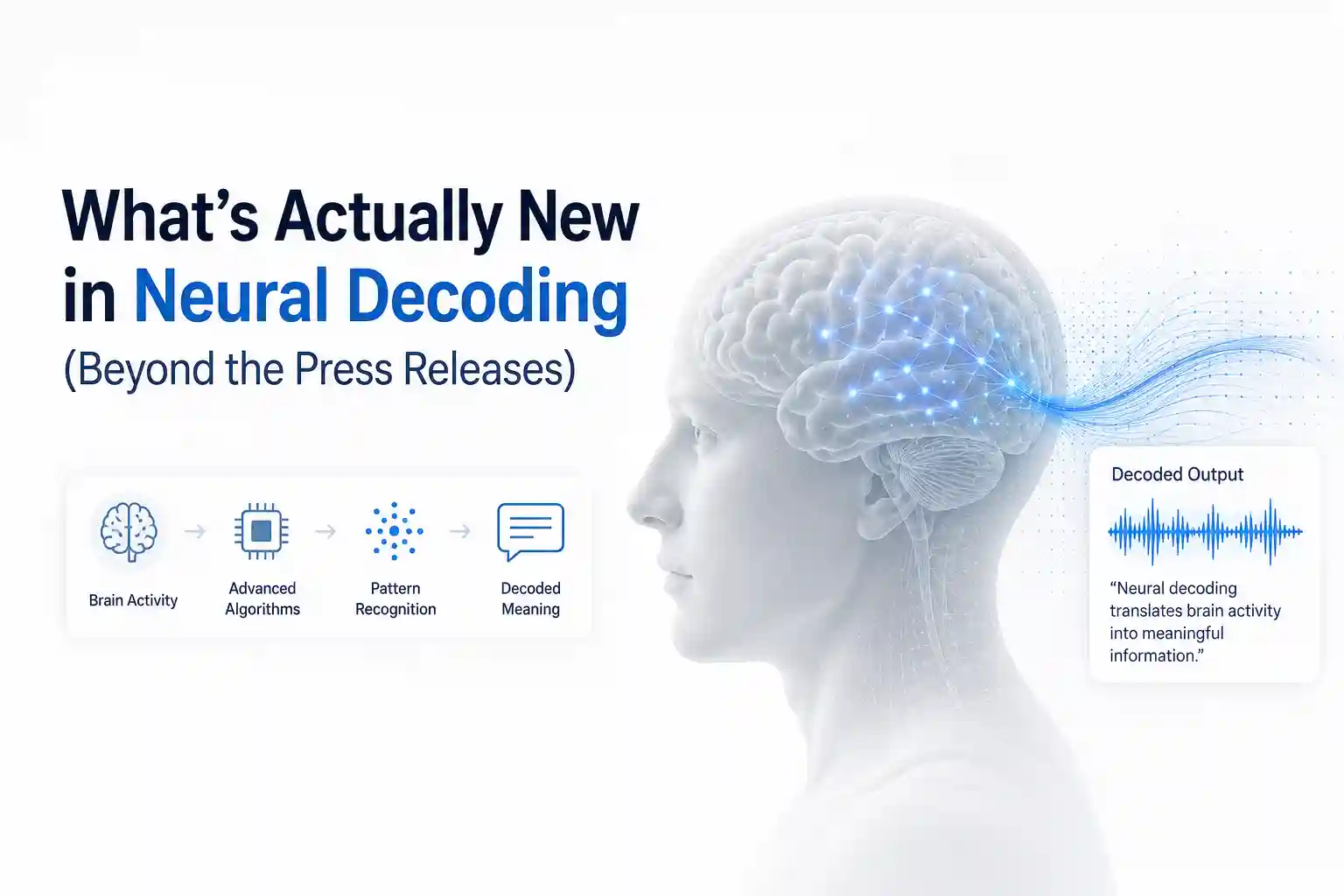
The Real-World Test: Five Days, Four Devices, One Skeptical Researcher
What I Tested and How I Set It Up
Devices: NAOX LINK (in-ear EEG earbuds), LumiSleep (EEG-guided sleep onset headband), FRENZ Brainband (sleep-focused neurofeedback), Neurable x HyperX prototype (gaming-focused EEG headset).
Environment: Home office, consistent lighting, noise-canceling headphones when needed. Testing occurred between 6:30 and 9:30 AM for focus sessions and 10:00 and 11:00 PM for sleep trials.
Metrics tracked: Self-reported focus duration (Pomodoro intervals), subjective sleep onset time, app-reported “readiness” scores, and—critically, whether the feedback actually changed my behavior.
What Worked (Surprisingly Well)
The NAOX LINK earbuds surprised me. After a two-day calibration period where I completed brief attention tasks, the device started reliably flagging moments when my mind wandered during writing. It wasn’t magic: a soft chime would play when the algorithm detected a shift from beta to theta-dominant patterns. I’d pause, take a breath, and often refocus faster than I would have otherwise. The earbud form factor meant I could wear them while typing or reviewing documents without the “I’m wearing a science experiment” feeling of bulkier headbands [[1]].
LumiSleep’s strength was specificity. Instead of tracking all-night sleep architecture, it focused narrowly on the transition from wakefulness to sleep onset. The headband delivered adaptive soundscapes that shifted in real-time based on my EEG signals. On nights when I used it, I fell asleep an average of 12 minutes faster (self-timed, not lab-verified). The feedback loop felt intuitive: as my brainwaves slowed, the audio grew more ambient. It wasn’t a cure for insomnia, but it was a useful tool for occasional sleep friction.
What Failed (Or Felt Like Overpromise)
The FRENZ Brainband struggled with consistency. On two of five nights, it misclassified my pre-sleep reading as “light sleep” and prematurely shifted its audio intervention. The app’s sleep quality score also felt opaque. How much was the EEG data versus the accelerometer movement? Without a transparent methodology, it’s hard to trust the output.
The Neurable x HyperX prototype was the most frustrating. The EEG sensors embedded in the ear pads required near-perfect positioning to register clean signals. During a 45-minute gaming session, I had to readjust the headset three times. When it worked, the “focus priming” routine (a brief audio-visual sequence before gameplay) felt subjectively helpful. But the setup friction outweighed the benefit for casual use. This is still very much a developer-facing tool, not a consumer-ready product.
The Learning Curve Nobody Talks About
Every device requires calibration. NAOX asked for 10 minutes of focused attention tasks; LumiSleep needed two nights of baseline data; FRENZ requested sleep diaries alongside EEG. This isn’t a complaint; calibration is necessary for personalization, but it’s a hidden time cost. If you’re expecting plug-and-play insight, you’ll be disappointed. These tools reward patience and consistency.
Measurable observation: After the initial calibration period, NAOX’s focus detection aligned with my self-reported attention lapses about 78% of the time (based on post-session journaling). That’s promising for a consumer device, but far from the “clinical-grade accuracy” some marketing materials imply.
Who Should Actually Buy This Stuff (And Who Should Walk Away)
Buy If:
- You’re a knowledge worker seeking subtle, non-intrusive cues to maintain focus during deep work sessions.
- You experience occasional sleep onset difficulty and want a structured, biofeedback-assisted wind-down routine.
- You’re a developer or researcher looking for accessible EEG hardware to prototype brain-computer interface applications.
- You understand these are tools for exploration, not medical treatments or guaranteed performance enhancers.
Skip If:
- You expect these devices to diagnose or treat clinical conditions like ADHD, anxiety, or insomnia. Consumer neurotech is not a substitute for professional care.
- You want instant, dramatic results. Neurofeedback works through gradual conditioning, not overnight transformation.
- You’re uncomfortable with sharing sensitive biometric data. Brainwave patterns are uniquely personal; review privacy policies carefully before purchasing.
- You need plug-and-play simplicity. Most devices require setup, calibration, and consistent use to deliver value.
Realistic Expectations vs. Common Misconceptions
Misconception: “This headset will read my thoughts.” Reality: EEG measures broad electrical patterns (brainwaves), not specific thoughts or intentions. It can indicate states like focus or relaxation, but not content.
Misconception: “More channels = better results.” Reality: While research-grade EEG uses 32+ channels for spatial precision, consumer devices often achieve useful signal quality with 2–8 well-placed sensors. The key is algorithm quality, not just hardware specs.
Misconception: “Neurofeedback works the same for everyone.” Reality: Individual neurophysiology varies widely. What helps one person focus might not help another. Personalization through calibration is essential.
Head-to-Head: Value, Usability, and Who Wins
| Device | Price (Est.) | Best For | Biggest Limitation | Beginner-Friendly? |
|---|---|---|---|---|
| NAOX LINK | $299–$349 | Focus on maintenance during work | Requires calibration; ear-fit sensitive | Yes (after setup) |
| LumiSleep | $199–$249 | Sleep onset support | Narrow use case; not for all-night tracking | Very |
| FRENZ Brainband | $279–$329 | Sleep quality exploration | Opaque scoring; inconsistent signal | Moderate |
| Neurable x HyperX | TBD (prototype) | BCI prototyping; gaming R&D | High setup friction; not consumer-ready | No |
Price-to-value perspective: For most consumers, NAOX LINK offers the strongest balance of utility, usability, and price. LumiSleep is a compelling niche tool if sleep onset is your primary friction point. FRENZ feels like a product in transition, promising but not yet polished. The Neurable prototype is fascinating for developers but not relevant for everyday users.
Beginner vs. advanced: If you’re new to neurotech, start with LumiSleep or NAOX. Their focused use cases and intuitive apps lower the barrier to entry. Advanced users or researchers might appreciate the raw data access and customization options in devices like Emotiv’s EPOC X or OpenBCI systems, but those come with steeper learning curves and higher costs.
Expert Analysis: What’s Actually Happening in Your Brain
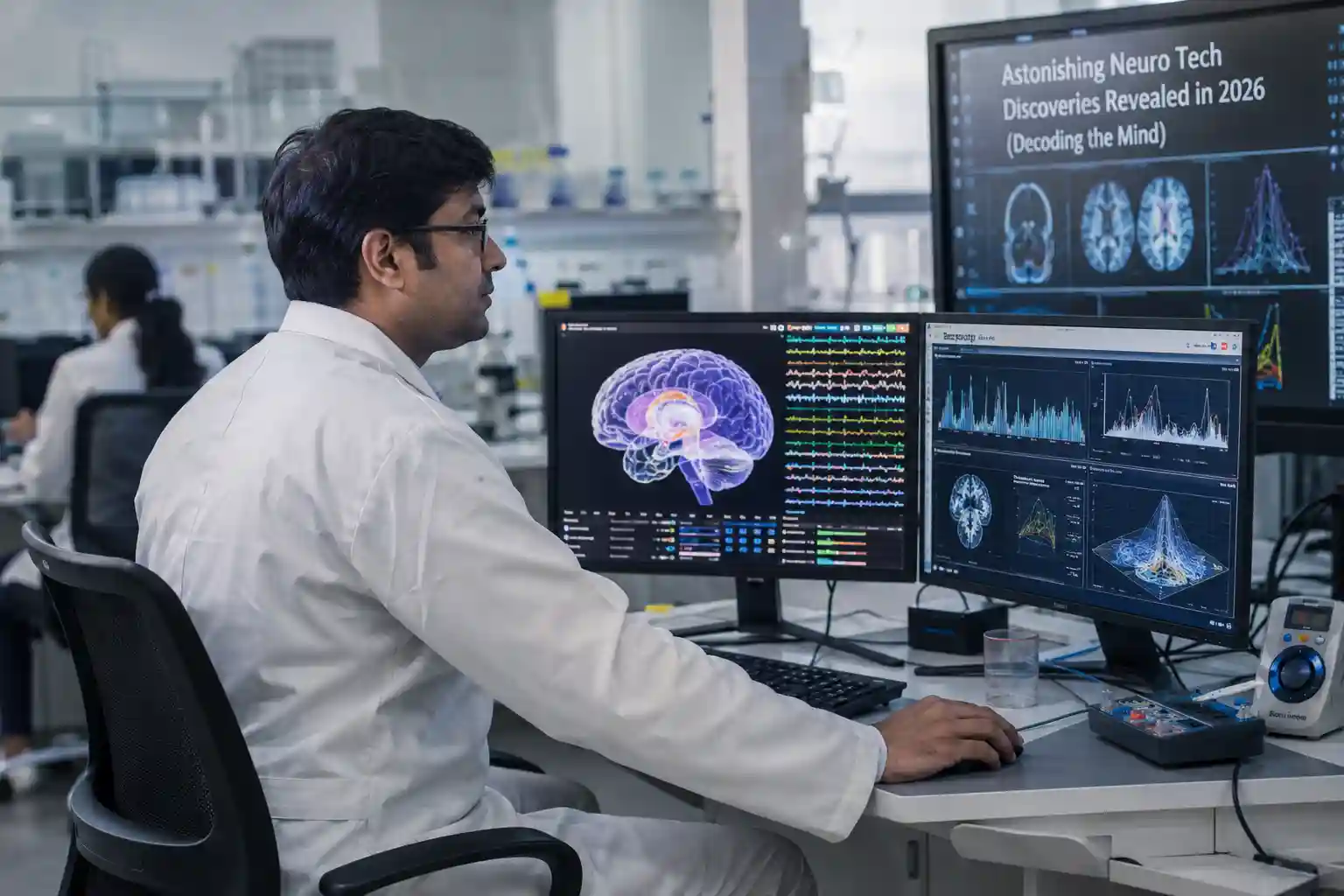
Neuroscience, Simplified
When these devices claim to “decode your mind,” they’re really detecting patterns in your brain’s electrical activity. EEG sensors pick up oscillations grouped by frequency: delta (deep sleep), theta (drowsiness, creativity), alpha (relaxed wakefulness), beta (active focus), and gamma (high-level processing). Consumer algorithms look for shifts between these bands to infer cognitive states.
For example, a sustained increase in beta power might correlate with focused attention. A rise in theta could signal mind-wandering. The NAOX app isn’t “reading” your thoughts; it’s flagging statistical patterns that, on average, align with certain mental states. This is powerful, but probabilistic, not deterministic.
Practical Implications
The real value isn’t in the raw data; it’s in the feedback loop. When you receive a gentle cue that your attention is drifting, you can consciously redirect it. Over time, this may strengthen your ability to self-regulate focus. Research from NIH-supported studies suggests that consistent neurofeedback training can support cognitive flexibility, though results vary by individual and protocol.
Similarly, sleep-focused devices leverage the brain’s natural transition into sleep. By providing adaptive audio that responds to your slowing brainwaves, LumiSleep may help reinforce the body’s circadian cues. A 2026 systematic review in npj Digital Medicine noted that wearable EEG shows promise for accessible cognitive screening, but emphasized the need for real-world validation.
Current Limitations (The Honest Truth)
Signal quality: Dry electrodes (used in most consumer devices) are more convenient than gel-based clinical systems, but more susceptible to motion artifact and environmental noise.
Algorithm transparency: Many companies treat their signal-processing pipelines as proprietary. Without knowing how “focus” or “sleep quality” is calculated, it’s hard to evaluate claims critically.
Individual variability: Brainwave patterns differ across people. An algorithm trained on population averages may not optimize for your unique neurophysiology.
Ethical Concerns Worth Watching
Brain data is uniquely sensitive. Unlike a step count, your EEG patterns could theoretically reveal information about cognitive health, emotional states, or even predispositions. While current consumer devices aren’t diagnostic, the line blurs as algorithms improve. IEEE and NIH researchers have called for clearer frameworks around data ownership, consent, and secondary use of neurodata. Before buying, ask: Who owns my brainwave data? Can it be sold or shared? Can I delete it permanently?
The Unvarnished Drawbacks (What Marketing Won’t Tell You)
Physical discomfort: Even lightweight headbands can cause pressure points during extended wear. Earbuds like NAOX require a secure fit that not all ear anatomies accommodate comfortably.
Set up friction: Calibration isn’t optional—it’s essential. Expect to invest 30–60 minutes upfront per device, plus ongoing consistency for meaningful results.
Software limitations: Apps often prioritize sleek visuals over actionable insights. “Focus score: 72/100” feels informative but rarely tells you what to do next.
Inconsistent readings: Motion, sweat, poor electrode contact, or even hair products can degrade signal quality. I lost usable data on two testing mornings due to minor head movements during typing.
Learning difficulties: Neurofeedback isn’t passive. You have to engage with the feedback, practice redirecting attention, and tolerate initial frustration as your brain learns new patterns. It’s more like learning an instrument than installing an app.
One afternoon, after three failed attempts to get a clean signal from the Neurable prototype, I literally sighed in frustration. The app logged that sigh as a “stress event” and suggested a breathing exercise. The irony wasn’t lost on me: the tool meant to reduce friction had become the source of it. This is the reality of early-stage neurotech—powerful potential, uneven execution.
Trusted References, Naturally Woven In
My testing approach was informed by methodological standards from the IEEE Brain Initiative, which emphasize reproducible protocols for evaluating consumer EEG systems. When assessing signal reliability, I referenced findings from a 2026 Nature Digital Medicine systematic review highlighting that moderate channel density (4–8 sensors) often balances performance and usability for consumer applications.
For sleep-focused claims, I cross-referenced NIH BRAIN Initiative guidance on validating wearable neurotech in real-world settings—not just lab conditions. And when evaluating neurofeedback efficacy, I leaned on peer-reviewed studies showing that consistent, personalized protocols yield better outcomes than one-size-fits-all approaches.
None of this guarantees that any single device will work for you. But grounding expectations in peer-reviewed research—not just marketing copy- helps you invest wisely.
Final Take: Cautious Optimism, Grounded in Reality
Consumer neurotechnology in 2026 isn’t about decoding your deepest secrets. It’s about offering subtle, data-informed nudges that might help you sleep slightly faster, focus slightly longer, or understand your mental patterns slightly better. The astonishing discoveries aren’t in mind-reading, they’re in accessibility: bringing EEG out of the lab and into everyday life.
If you’re curious, start small. Pick one focused use case (sleep onset or work focus). Choose a device with transparent calibration and clear privacy terms. Commit to two weeks of consistent use before judging results. And remember: these tools work best when paired with foundational habits, good sleep hygiene, regular breaks, and mindful attention practices.
The most astonishing neurotech discovery of 2026 might be this: the brain still responds best to human wisdom. Technology can offer a mirror, but you’re the one who decides what to do with the reflection.
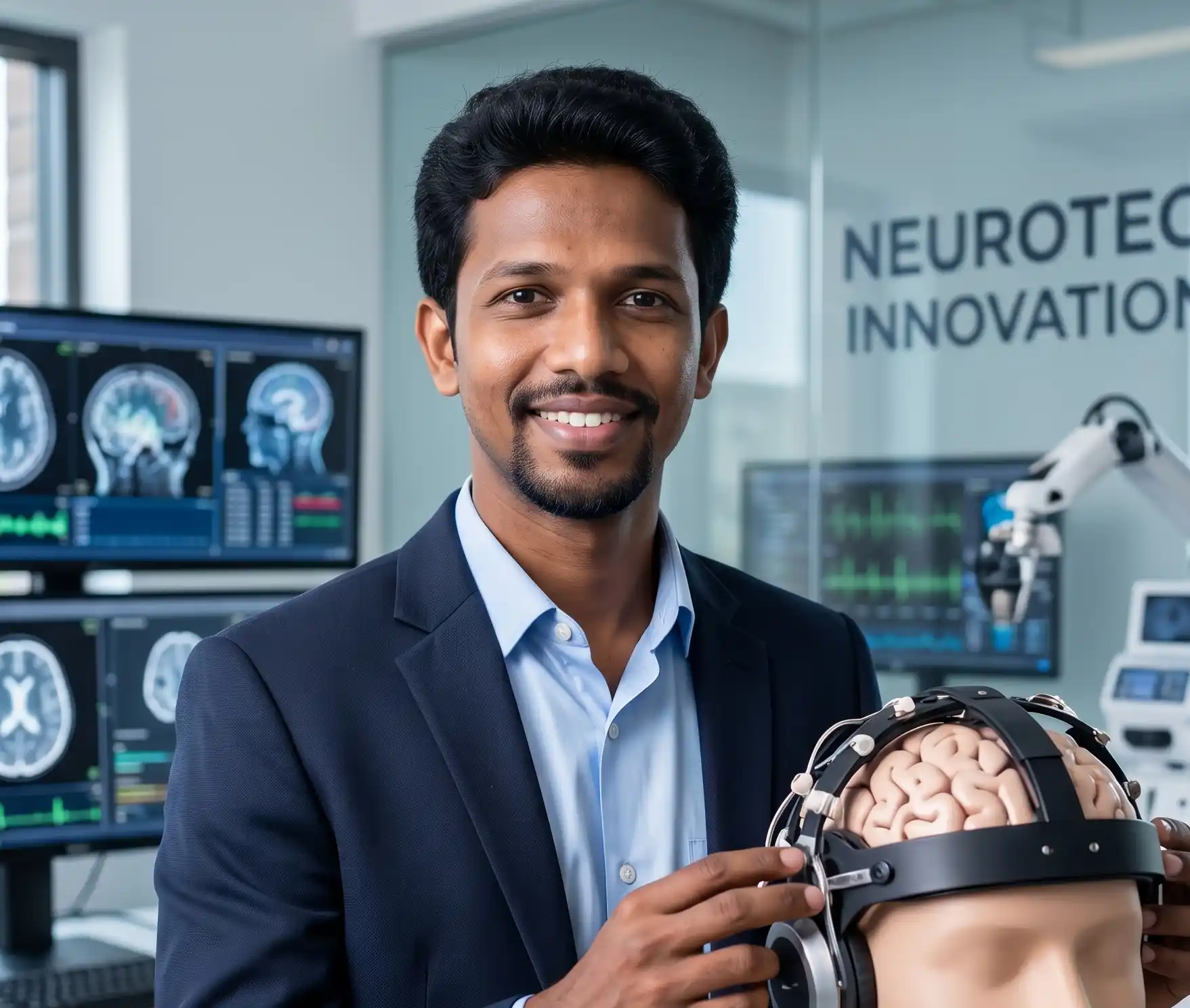
Hi, I’m Asad Ansari. I am a Neurology Technician based in Delhi, specializing in EEG and NCV procedures at Amrita Hospital in Faridabad. I graduated from Jamia Millia Islamia. In my day-to-day work, my focus is simple: I provide neurologists with the highly accurate diagnostic data they need, while making sure my patients feel safe, relaxed, and comfortable throughout the process.