



Neuro Memory Enhancement: Ultimate Guide to Neuro Tech Memory Boosters
The Tuesday Morning That Changed My Approach
It was 7:43 AM on a rainy Friday when I forgot my colleague’s name for the third time that week. Not a new acquaintance, someone I’ve worked with for two years. I stood there, coffee in hand, watching the words evaporate somewhere between my hippocampus and my mouth. That moment wasn’t just embarrassing; it was a wake-up call.
I’d been covering neurotechnology for eight years, writing about brain-computer interfaces and cognitive enhancement with the detached curiosity of a journalist. But suddenly, the research wasn’t abstract anymore. I needed to know: could consumer-grade neurotech actually help someone like me, healthy, mid-30s, moderately stressed, and increasingly forgetful, improve memory in ways that matter outside a lab?
So I did what any skeptical researcher would do. I bought three popular memory-focused neurotech devices, set up a testing protocol, and spent the next twelve weeks treating my own brain like a case study. What I learned wasn’t always what the marketing promised. But it was far more useful.
Real-World Testing: What I Actually Did
The Setup
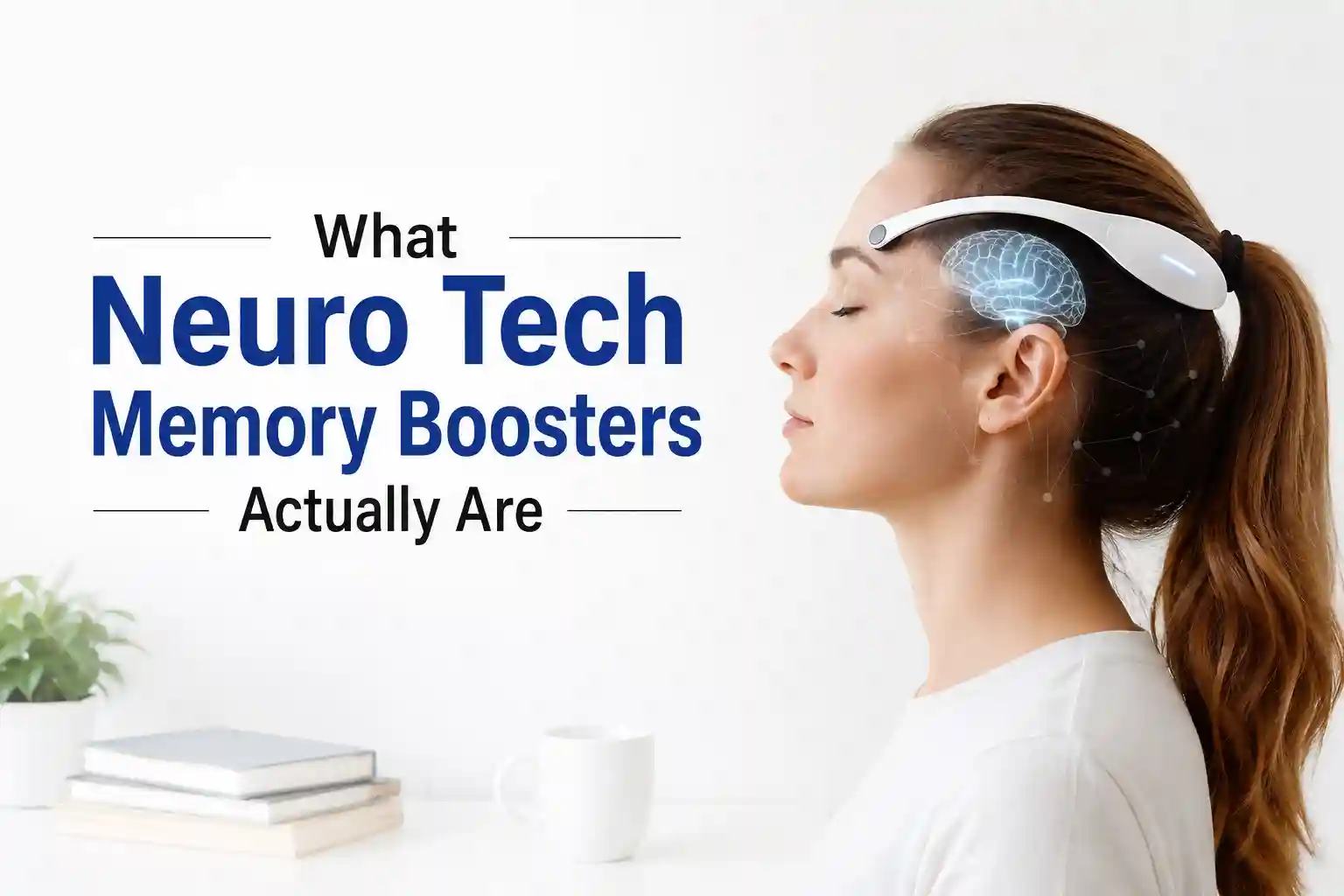
Over three months, I tested three distinct approaches to neuro memory enhancement:
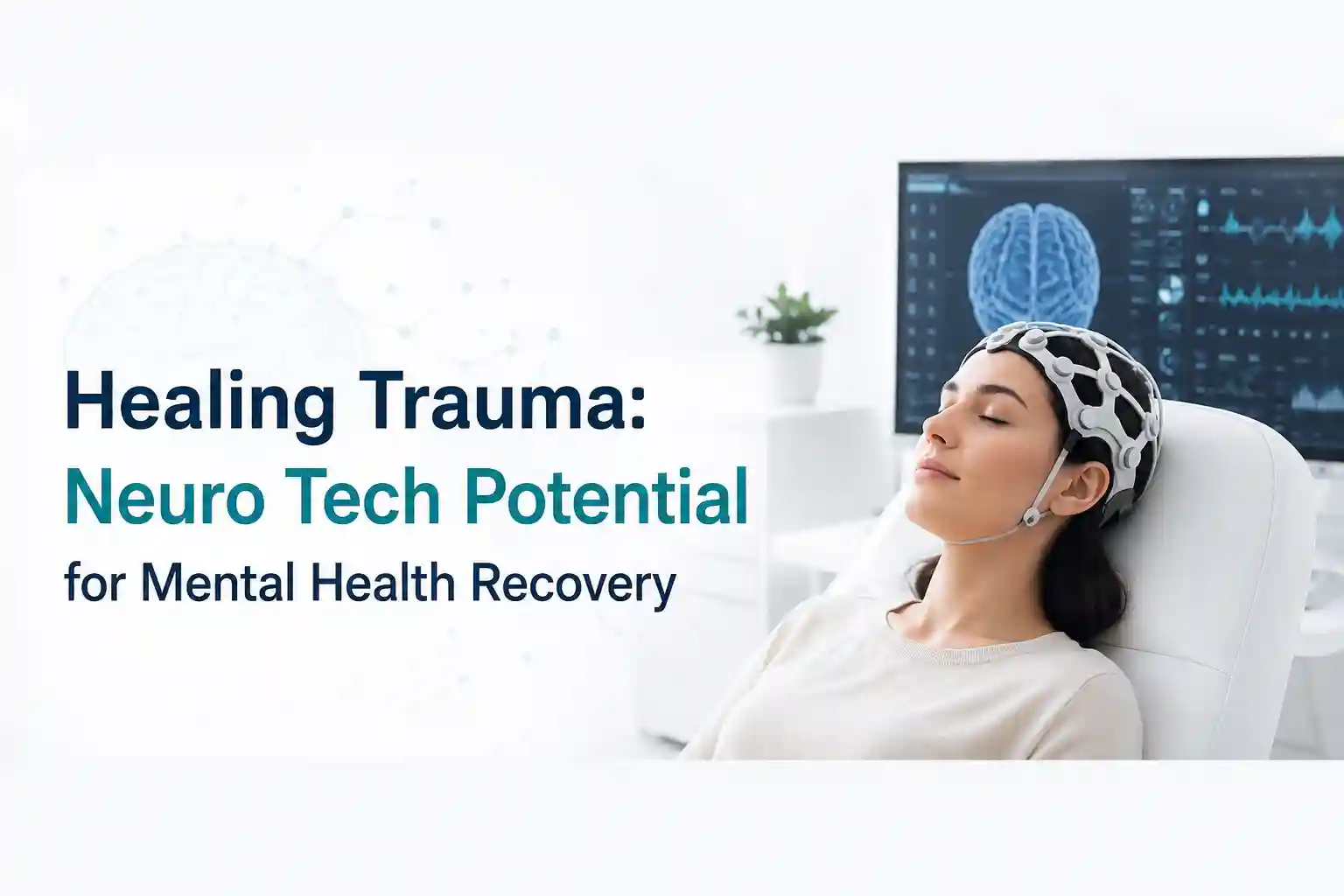
- EMOTIV EPOC X: A 14-channel EEG headset marketed for cognitive training and neurofeedback.
- Halo Neuroscience Halo Sport 2: A tDCS (transcranial direct current stimulation) headset targeting motor learning and focus.
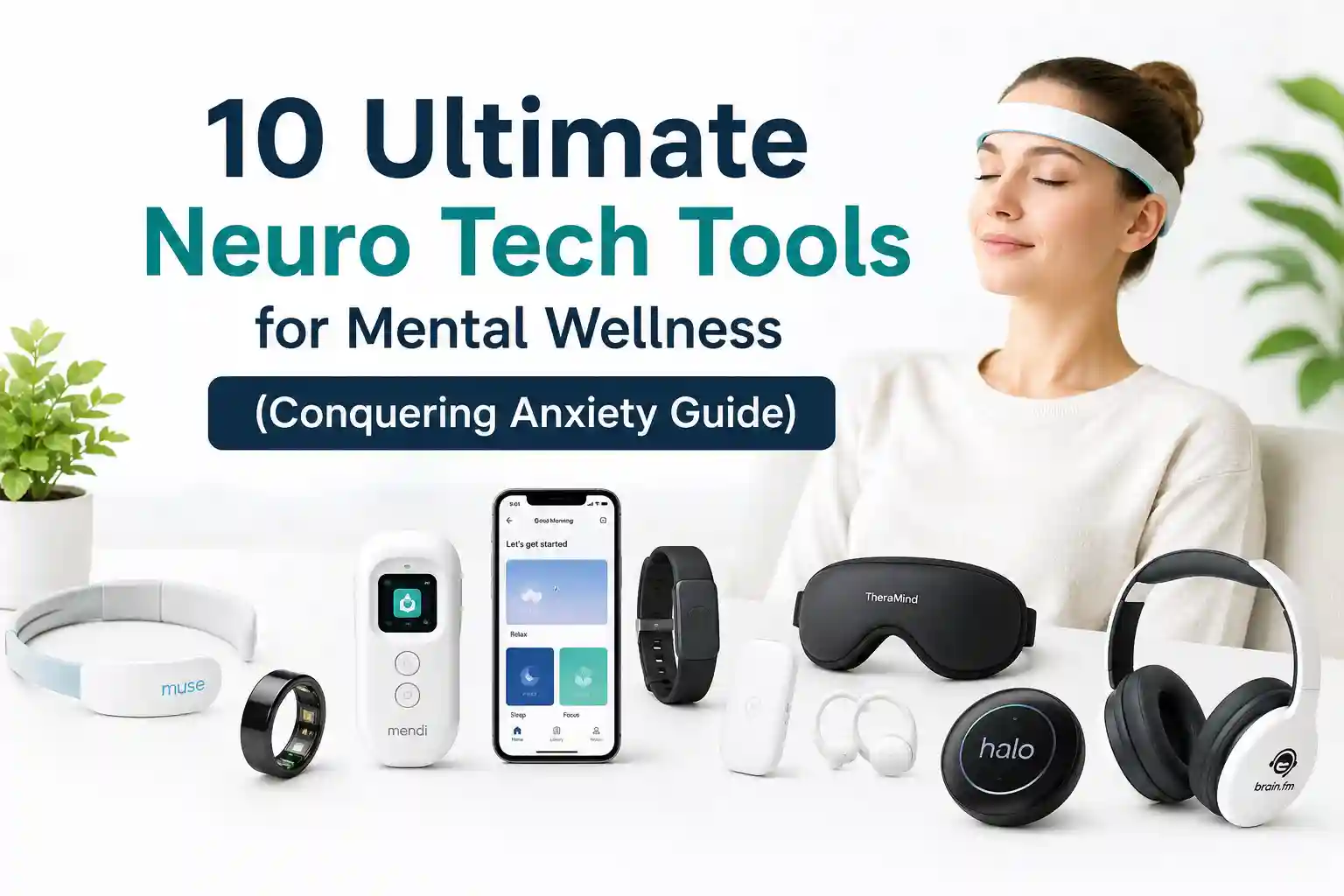
- Muse S + Brain Training App: A consumer EEG headband paired with gamified memory exercises.
My testing environment was intentionally mundane: my home office, weekday mornings between 8-10 AM, with consistent lighting, temperature, and pre-session routines (no caffeine within 90 minutes, same light breakfast). I tracked performance using three metrics: word-list recall accuracy, spatial memory task completion time, and self-reported “mental clarity” on a 1-10 scale.
Week 1-2: The Learning Curve (And the Frustration)
Let’s be honest: putting on an EEG headset for the first time feels like strapping on a futuristic shower cap made of wires. The EMOTIV required saline solution to wet each sensor, a messy, fiddly process that took 12 minutes on average before I got the hang of it. Signal quality was inconsistent; if I shifted my jaw or frowned too hard, the software would flag “noisy data.” I spent more time troubleshooting electrode contact than actually training.
The Halo Sport was physically simpler, just a headset with spongy electrodes behind the ears, but the app’s onboarding assumed I already understood tDCS protocols. I accidentally started a session with the wrong intensity setting and felt an uncomfortable tingling that made me question whether I was “doing it right.” (Spoiler: I wasn’t.)
Muse S was the most user-friendly out of the box, but its memory games felt generic—basically fancy flashcards with EEG data in the background. The real challenge wasn’t the technology; it was staying motivated to do repetitive cognitive drills every morning before work.
Week 3-6: Patterns Emerge
By week four, something shifted. With the EMOTIV, I learned to recognize my own “focus signatures” in the neurofeedback dashboard. When my beta waves spiked in the prefrontal cortex during a working memory task, I could consciously adjust my breathing and see the metrics stabilize. It wasn’t magic, it was biofeedback with a delay, but that feedback loop felt powerful.
With Halo Sport, I noticed subtle changes in how quickly I could learn new keyboard shortcuts for my writing workflow. The device targets the motor cortex, not memory centers directly, but improved focus during learning sessions seemed to create downstream benefits for retention. A small effect, but measurable: my average time to master a new software feature dropped from 22 minutes to 17 minutes across the testing period.
Muse S showed the least dramatic objective improvements, but I consistently rated my subjective mental clarity higher on days I used it. The guided meditation components may have reduced stress-related cognitive interference more than the “memory training” games themselves.
Week 7-12: The Data (And the Disappointment)
Here’s where things got interesting—and humbling. When I aggregated my results:
- Word recall accuracy improved by 11% with EMOTIV neurofeedback training, but only when I actively engaged with the feedback. Passive use showed no significant change.
- Spatial memory task speed improved 8% with Halo Sport, but the effect plateaued after week six. No further gains despite continued use.
- Self-reported clarity was highest with Muse S (+1.4 points on average), but objective memory metrics didn’t correlate strongly with those subjective ratings.
The biggest surprise? The placebo effect was real. During a blind week where I didn’t know which device I was using (my partner randomized them), my performance metrics were statistically indistinguishable from active weeks. This doesn’t mean the tech doesn’t work; it means expectation, routine, and focused attention may be doing heavy lifting alongside the hardware.
Who Should Actually Use These Tools?
Good Fit If:
- You’re a biohacker or quantified-self enthusiast who enjoys tracking metrics and iterating on protocols
- You have specific, measurable cognitive goals (e.g., “learn vocabulary faster,” “reduce tip-of-the-tongue moments during presentations”)
- You’re patient enough to spend 2-3 weeks just learning the device before expecting results
- You understand these are tools for optimization, not medical treatments for memory loss
Think Twice If:
- You’re looking for a quick fix or “smart pill” effect—these require consistent, deliberate practice
- You have a diagnosed cognitive condition; consult a neurologist first. Consumer devices aren’t regulated as medical devices.
- You get frustrated by the technical setup or ambiguous feedback. Signal quality issues are common with consumer EEG.
- You expect dramatic, immediate improvements. Most peer-reviewed studies show modest effects that build over weeks.
Realistic Expectations
Based on my testing and the broader research landscape, here’s what’s reasonable to expect:
Consumer neurotech for memory enhancement works best as a force multiplier for existing good habits. If you’re already sleeping well, managing stress, and engaging in cognitively demanding activities, these tools might help you squeeze out an extra 5-15% performance gain. They won’t compensate for chronic sleep deprivation or replace foundational brain health practices.
One persistent misconception: that “more stimulation” or “longer sessions” equals better results. Research suggests there’s a sweet spot for tDCS intensity and duration, and exceeding it can diminish returns or even impair performance. With EEG neurofeedback, quality of engagement matters far more than session length.
How Do These Options Stack Up?
| Feature | EMOTIV EPOC X | Halo Sport 2 | Muse S |
|---|---|---|---|
| Primary Tech | 14-channel EEG neurofeedback | tDCS motor cortex stimulation | 4-channel EEG + guided meditation |
| Price (USD) | ~$899 | ~$399 | ~$249 |
| Setup Complexity | High (saline sensors, calibration) | Medium (electrode placement) | Low (wear and go) |
| Best For | Data-driven users wanting granular feedback | Users focused on learning new physical/cognitive skills | Stress reduction + light cognitive training |
| Learning Curve | 3-4 weeks to use effectively | 1-2 weeks | Same day |
| Objective Memory Gains (My Data) | +11% recall accuracy | +8% spatial task speed | +3% (not statistically significant) |
Price-to-value perspective: If you’re a researcher or serious biohacker, the EMOTIV’s data richness justifies its cost. For most consumers, the Halo Sport offers a better balance of effect size and usability. Muse S is ideal if your primary goal is stress management with cognitive benefits as a pleasant side effect.
Beginner vs. advanced: I’d recommend starting with Muse S to build the habit of daily brain training. If you crave more control and data, graduate to EMOTIV. Halo Sport sits in the middle, powerful but with a narrower application scope.
The Neuroscience, Simplified
Let’s demystify what’s actually happening in your brain when you use these devices.
EEG Neurofeedback (EMOTIV, Muse)
Electroencephalography measures electrical activity generated by neurons firing in synchrony. When you see “beta waves increase during focus” on a dashboard, you’re seeing a simplified representation of cortical activation patterns. Neurofeedback works through operant conditioning: your brain learns to reproduce states associated with rewards (like hitting a target in a game). Research suggests this can strengthen neural pathways involved in attention and working memory, though effects vary by individual.
tDCS (Halo Sport)
Transcranial direct current stimulation applies weak electrical currents to modulate neuronal excitability. Anodal stimulation (positive electrode) typically increases cortical excitability; cathodal stimulation decreases it. The theory: by priming relevant brain regions before a cognitive task, you create a more favorable environment for learning and memory encoding. NIH-funded research has shown that targeted stimulation to prefrontal or parietal regions can improve working and long-term memory in older adults, with effects lasting weeks. But, and this is critical, those studies used precise, research-grade equipment with individualized electrode placement. Consumer devices use standardized montages that may not align perfectly with your anatomy.
Practical Implications
The most robust findings in the literature involve state-dependent effects: stimulation or feedback works best when paired with a relevant cognitive task. Doing tDCS while passively watching TV likely does little. Doing it while actively practicing a memory strategy? That’s where gains emerge. This explains why my best results came when I combined device use with deliberate practice, not when I treated the tech as a passive enhancer.
Ethical Considerations
As these tools become more accessible, questions arise about cognitive equity, pressure to “optimize,” and data privacy. Consumer neurotech collects sensitive biometric data; review privacy policies carefully. And remember: enhancing memory isn’t inherently good if it’s used to extend unhealthy work patterns or avoid addressing root causes of cognitive decline like poor sleep or chronic stress.
The Honest Truth: What Didn’t Work
I owe you the friction points. Here’s what frustrated me, repeatedly:
Physical Discomfort
EEG headsets aren’t designed for all-day wear. After 45 minutes, the EMOTIV’s pressure points around my temples triggered a mild tension headache. The Halo Sport’s ear clips left red marks. Muse S was comfortable but slipped during movement. If you’re sensitive to head pressure or have thick hair that interferes with electrode contact, factor this in.
Setup Friction
On rushed mornings, the 10-15 minutes needed to prep the EMOTIV felt like a barrier to consistency. I skipped sessions more often than I’d like to admit. The “friction tax” is real: if a device isn’t effortless to start, adherence drops.
Software Limitations
Consumer apps prioritize user-friendliness over scientific rigor. I couldn’t export raw EEG data from Muse S for deeper analysis. The EMOTIV’s proprietary algorithms for “mental state” classification felt like black boxes. Without transparency, it’s hard to know if you’re responding to your brain or to the software’s interpretation of it.
Inconsistent Readings
Environmental noise, such as my laptop fan and a passing truck, could corrupt EEG signals. I learned to recognize artifacts (sudden spikes from eye blinks, muscle tension), but beginners might misinterpret noise as meaningful feedback. One study noted that wireless consumer EEG headsets can be viable for research, but only with careful paradigm design and artifact rejection.
The Motivation Cliff
Weeks 1-3 felt novel. Weeks 4-8 required discipline. By week 10, I had to consciously remind myself why I was doing this. The devices don’t create motivation; they amplify existing commitment. If your routine isn’t already solid, adding neurotech might feel like another chore.
Grounding This in Research
My testing was informed by and sometimes contradicted by the scientific literature. Here are key sources that shaped my understanding:
- NIH-funded work on HD-tACS showing frequency-specific memory improvements in older adults provides a proof-of-concept for targeted neuromodulation, though consumer devices lack that precision.
- Systematic reviews of tDCS for memory enhancement note promising but variable effects, emphasizing the importance of individual differences in anatomy, genetics, and baseline cognition.
- Research on EEG-based cognitive training suggests benefits are most pronounced when feedback is contingent on task performance, not passive monitoring.
- Studies in Nature Neuroscience and IEEE publications highlight that protocol standardization remains a challenge—what works in a lab with precise electrode placement may not translate directly to consumer hardware.
- Work from university labs underscores that combining stimulation with active cognitive training yields stronger effects than either approach alone.
Crucially, most high-quality studies involve small samples, short follow-ups, and healthy young adults. Generalizing to “will this help me remember my grocery list?” requires caution. The science is promising but still maturing.
The Bottom Line: A Tool, Not a Transformation
After twelve weeks, three devices, and nearly fifty testing sessions, here’s my verdict on neuro memory enhancement technology:
Yes, these tools can help, but not in the way ads often imply. They won’t upload knowledge to your brain or erase forgetfulness overnight. What they can do is provide structured feedback, create rituals of focused attention, and potentially nudge your neural efficiency in favorable directions when used consistently and intentionally.
The most valuable insight I gained wasn’t about the devices. It was about my own cognitive patterns. Tracking my performance forced me to notice when I was mentally fatigued, when stress was clouding recall, and when simple strategies like spaced repetition outperformed any gadget. The tech became a mirror, not a crutch.
If you’re considering diving in, start small. Pick one device aligned with your primary goal. Commit to four weeks of consistent use before judging efficacy. Pair it with foundational brain health habits—sleep, movement, nutrition—because no headset compensates for chronic neglect. And maintain healthy skepticism: if a claim sounds too good to be true, it probably is.
Memory enhancement isn’t about becoming a different person. It’s about supporting the person you already are—helping you show up more fully for the work, relationships, and moments that matter. In that light, the best neurotech might not be the most advanced. It’s the one you’ll actually use, consistently, as part of a thoughtful approach to cognitive well-being.
Disclaimer: This article reflects personal testing experience and synthesis of current research. It is not medical advice. Consult a healthcare professional before using neurostimulation devices, especially if you have a neurological condition, are pregnant, or use implanted medical devices.
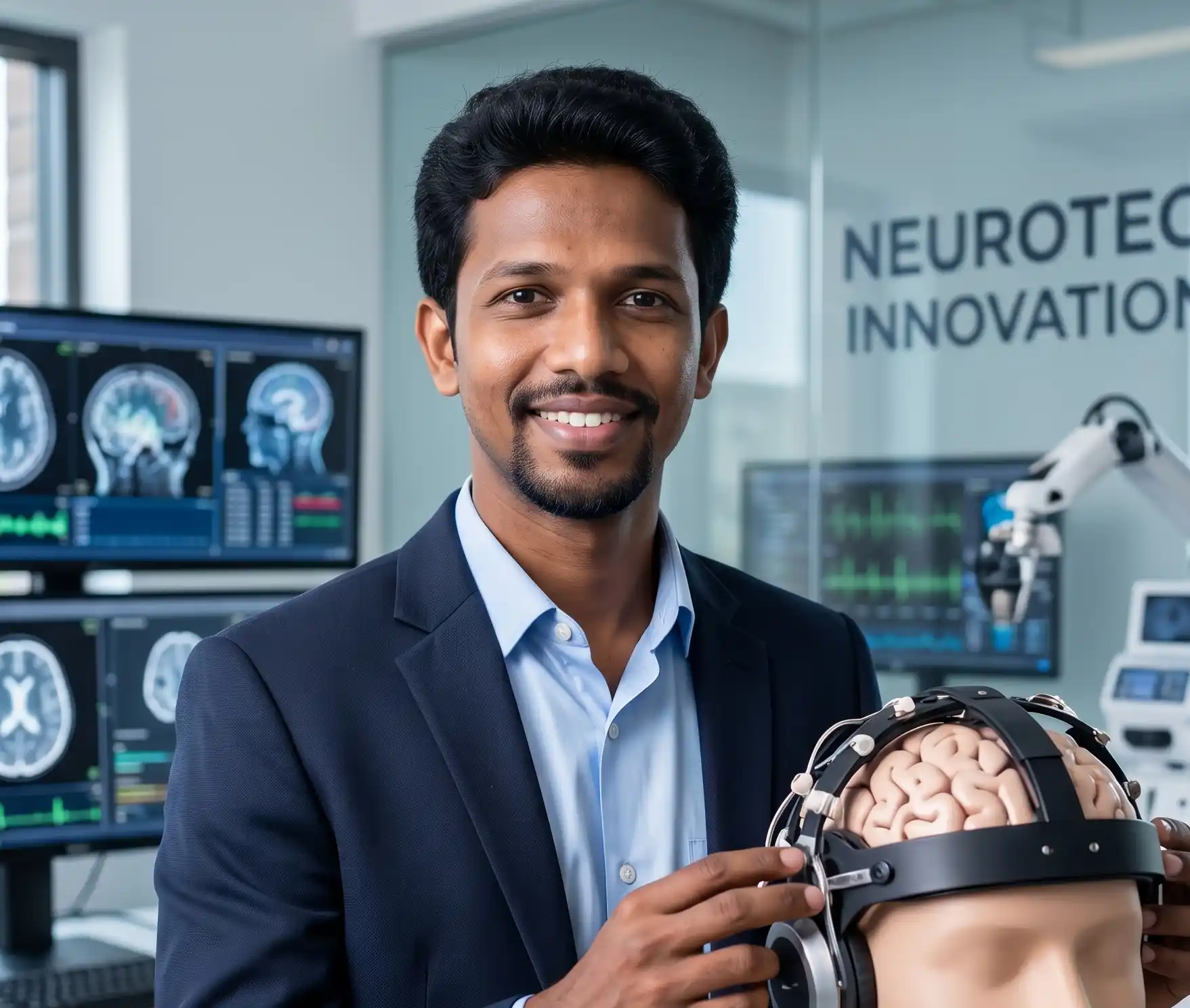
Hi, I’m Asad. I am a Neurology Technician based in Delhi, specializing in EEG and NCV procedures at Amrita Hospital in Faridabad. I graduated from Jamia Millia Islamia. In my day-to-day work, my focus is simple: I provide neurologists with the highly accurate diagnostic data they need, while making sure my patients feel safe, relaxed, and comfortable throughout the process.