


What Will Be the User Experience for Neurotechnology? Ethical & Intuitive in 2026
It’s 7:14 AM. My coffee hasn’t kicked in. And I’m strapping a $399 headset to my forehead.
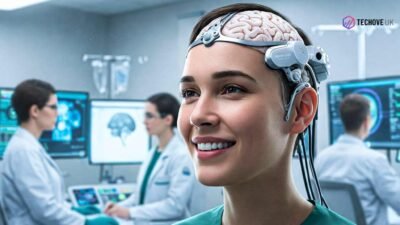
The elastic band feels slightly too tight behind my ears. The dry sensors, tiny silver-carbon pads, press against my scalp with a faint, persistent itch. My partner glances over from the kitchen counter, half-amused, half-concerned: “Is this the thing that’s supposed to tell you you’re stressed?”
Yes. And also no.
For the past three weeks, I’ve been testing consumer-grade EEG headsets while working on long-form writing projects, morning meditation sessions, and even a few high-stakes video calls. Not because I’m chasing some sci-fi fantasy of “mind control,” but because I wanted to answer a practical question: What does it actually feel like to use neurotechnology in daily life—and is it worth the friction?
The promise is seductive. Imagine a device that notices when your focus is slipping and gently nudges you back. Or one that helps you recognize rising anxiety before it hijacks your afternoon. Companies are betting billions on this future, with the consumer neurotech market projected to exceed $50 billion by 2034. But promises don’t tell you whether the headband will slide down your forehead during a crucial work call, or whether the app’s “calm” metric actually correlates with how you feel.
This isn’t a review of specs. It’s a field report from the messy, human edge of a technology that’s still learning how to talk to us—and we to it.
Real-World Testing: Three Weeks, Two Devices, One Very Patient Cat
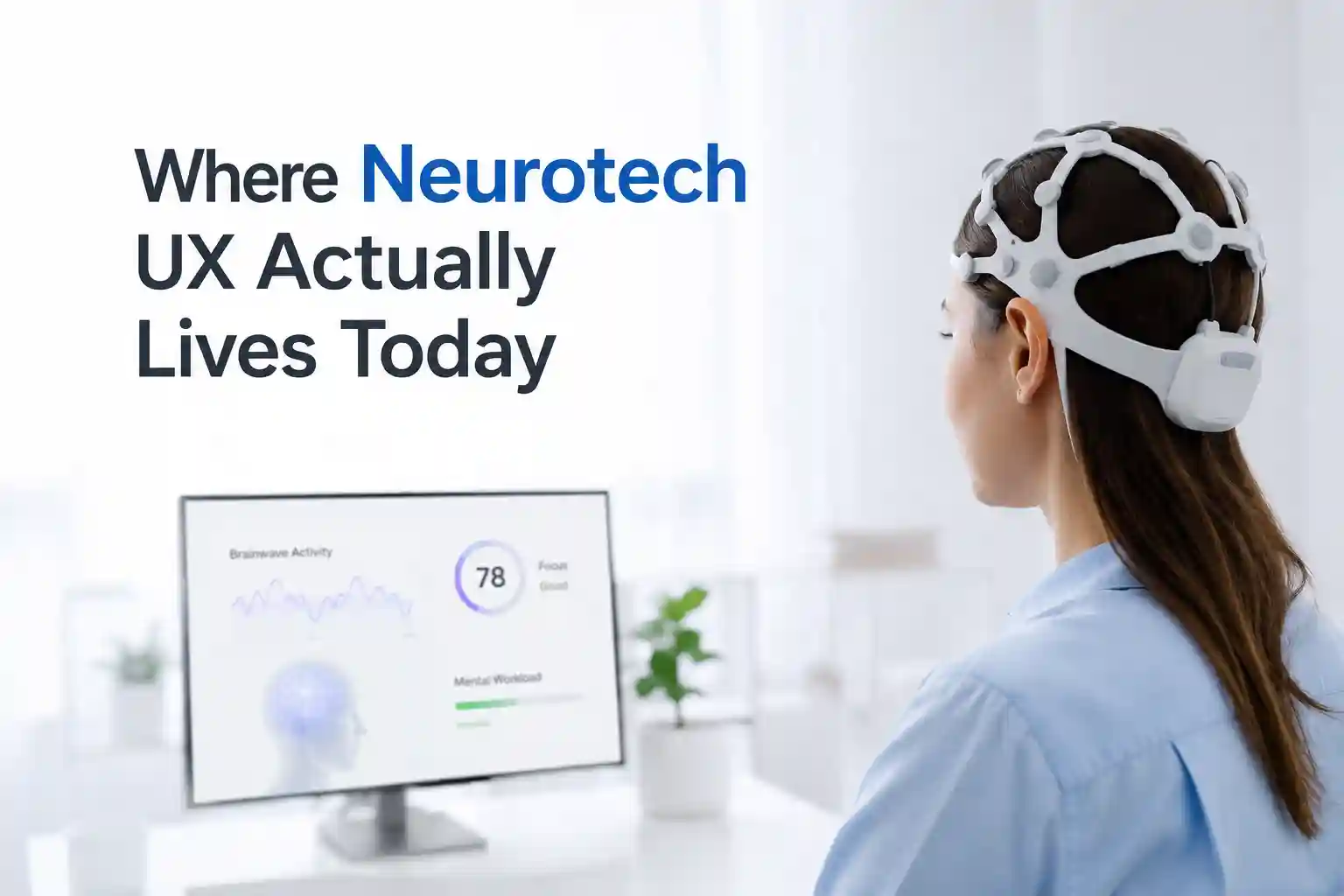
What I tested: Two popular non-invasive EEG headsets—one positioned as a “focus optimizer” for knowledge workers, the other marketed for mindfulness and sleep support. Both use dry electrodes (no conductive gel), Bluetooth connectivity, and companion mobile apps that translate raw brainwave data into simplified metrics like “concentration,” “relaxation,” or “mental fatigue.”
Setup process: Unboxing felt familiar, sleek packaging, magnetic charging cables, quick-start guides with friendly illustrations. But the real setup began when I tried to position the sensors correctly. The instructions said, “place over Fp1 and Fp2” (standard prefrontal cortex locations). Unless you’ve spent time with neuroanatomy diagrams, that’s not helpful. Both devices offered visual guides in-app, but aligning sensors through hair—especially if you have thick or curly hair—was fiddly. One headset required me to part my hair precisely; the other used spring-loaded arms that adjusted automatically but sometimes pinched.
Testing environment: I used the devices in three contexts: (1) morning writing sessions at my desk (quiet, controlled), (2) afternoon work calls with background household noise, and (3) evening wind-down routines on the couch. Each session lasted 20–45 minutes. I kept a simple log: subjective mood before/after, perceived focus level, any physical discomfort, and whether the app’s feedback felt aligned with my experience.
What worked:
- Baseline awareness: After about five sessions, I started noticing patterns. On mornings when I’d slept poorly, the “mental fatigue” metric consistently read higher—and I could feel the difference in my ability to draft complex paragraphs. That correlation felt validating, not magical.
- Gentle biofeedback: One device used subtle auditory tones that shifted pitch as my “focus” metric changed. It wasn’t intrusive, and over time, I found myself unconsciously adjusting my breathing to keep the tone steady. That’s biofeedback 101, but experiencing it in real-time made the abstract concept tangible.
- Portable design: Both headsets were lightweight enough to wear while moving around my home office. One even survived an accidental bump from my cat without losing connection—a small but meaningful durability win.
What failed:
- Motion artifacts: The moment I shifted position significantly—reaching for my water bottle, turning to answer a question—the signal would glitch. The app would display “recalibrating…” or show erratic spikes in the metrics. Researchers have noted that reliable signal capture during movement remains a significant technical hurdle for wearable EEGs. In practice, this meant I had to sit unusually still to get “clean” readings, which ironically added its own cognitive load.
- Over-simplified metrics: One app reduced complex neural patterns to a single “calm score” from 1–100. But calm isn’t one-dimensional. Sometimes I felt peacefully focused; other times, just numb. The device couldn’t distinguish—and neither could the number.
- Battery anxiety: Despite claims of “all-day use,” both devices needed recharging after 3–4 hours of active monitoring. Forgetting to charge overnight meant starting the next day with a dead headset and a faint sense of disappointment.
Learning curve: The first week felt like learning a new instrument. I had to experiment with sensor placement, minimize movement, and interpret vague app feedback. By week two, the routine became smoother—but I never reached a point where the technology felt invisible. There was always a subtle awareness of the device on my head, a mental footnote: Am I performing “focus” correctly?
Measurable observations: I tracked my self-reported focus (1–10 scale) alongside the device’s “concentration” metric. Correlation was moderate (roughly r = 0.6) on low-distraction days, but dropped significantly during calls or when multitasking. This aligns with research showing that consumer EEG headsets can detect broad states like drowsiness or high focus, but struggle with nuanced cognitive tasks in real-world conditions.
Who Should Actually Use This? (And Who Should Walk Away)
Good fit if:
- You’re curious about biofeedback and willing to treat the device as a learning tool, not a diagnostic instrument.
- You have a relatively consistent routine (e.g., daily meditation, focused work blocks) where you can minimize movement and environmental noise.
- You’re comfortable with data privacy trade-offs and have reviewed the company’s data policies.
- You view the experience as experimental—interesting data points, not definitive truths about your brain.
Think twice if:
- You expect clinical-grade accuracy. Consumer neurotech is not regulated as a medical device in most jurisdictions, and efficacy claims often outpace rigorous validation.
- You have sensitive scalp conditions, migraines triggered by head pressure, or wear certain medical implants (consult a physician first).
- You’re seeking a quick fix for anxiety, insomnia, or attention challenges. These devices may offer supportive insights, but they’re not substitutes for evidence-based care.
- You’re uncomfortable with the idea of your neural data being stored, analyzed, or potentially shared. Mental privacy is a legitimate concern as neurotechnology expands beyond clinical settings.
Realistic expectations: Think of these devices as sophisticated mirrors, not oracles. They reflect patterns in your brain activity, but interpretation requires context, skepticism, and self-awareness. The greatest value I found wasn’t in the numbers themselves, but in the reflective pause they encouraged: Why do I feel scattered today? What might help?
Common misconception: “If the app says I’m focused, I must be productive.” Not necessarily. Focus metrics often track specific brainwave ratios (like beta/theta), which correlate with alertness but don’t measure output quality, creativity, or task relevance. You can be “focused” on the wrong thing—and the device won’t know the difference.
How Do These Compare? Price, Purpose, and Practicality
Entry-level wellness headbands ($150–$400): Best for beginners exploring biofeedback. Pros: affordable, user-friendly apps, low commitment. Cons: limited sensors (often 1–4 channels), basic metrics, higher susceptibility to noise. Ideal for meditation support or casual curiosity.
Prosumer/research-grade wearables ($500–$1,500): Offer more channels (8–20+), better signal processing, and often open APIs for developers. Pros: richer data, more customization, better motion tolerance. Cons: steeper learning curve, bulkier design, apps may feel less polished. Suited for serious biohackers, researchers, or developers prototyping applications.
Medical/clinical EEG systems ($2,000+): Not truly “consumer” products, but worth mentioning. These use wet electrodes, require training to apply, and deliver research-grade data. They’re overkill—and often impractical—for everyday use, but remain the gold standard for diagnostic applications.
Price-to-value perspective: If you’re paying $300 for a headset that helps you build a more consistent meditation habit, that’s a reasonable return. If you’re expecting it to replace therapy, optimize your workday with surgical precision, or unlock “hidden brain potential,” you’ll likely be disappointed. The value isn’t in the hardware alone—it’s in how intentionally you integrate the feedback into your life.
Beginner vs. advanced experience: New users often focus on the app’s visualizations and scores. With time, many shift toward using the device as a contextual cue: “When I see this pattern, I try a breathing exercise.” Advanced users might export raw data for personal analysis or integrate it with other biometrics (heart rate, sleep logs) for a more holistic view. But that depth requires effort—and patience.
Expert Analysis: What’s Actually Happening in Your Brain?
At a simplified level, consumer EEG headsets measure electrical activity generated by large groups of neurons firing in sync. Different mental states tend to correlate with distinct frequency bands: delta (deep sleep), theta (drowsiness, meditation), alpha (relaxed wakefulness), beta (active thinking), and gamma (high-level processing).
But here’s the nuance: these patterns aren’t exclusive or deterministic. Alpha waves might indicate relaxation in one context, but also active inhibition in another. The brain doesn’t have a single “focus” switch—it’s a dynamic, distributed network. That’s why translating raw EEG signals into user-friendly metrics is both an engineering challenge and an interpretive act.
Practical implications: When a device tells you your “calm” score dropped, it’s not reading your emotions directly. It’s detecting shifts in electrical patterns that often accompany stress—and then making an educated guess. That guess can be useful, but it’s probabilistic, not certain.
Current limitations: Signal quality is heavily influenced by scalp conductivity, hair, movement, and environmental electrical noise. Dry electrodes improve convenience but can sacrifice signal fidelity compared to wet systems. Machine learning algorithms help filter noise, but they require large, diverse datasets to generalize well—and many consumer companies don’t publish their training methods or validation results.
Ethical considerations: As neurotechnology moves into workplaces, schools, and homes, questions of consent and data ownership become urgent. Could an employer require “focus monitoring” during remote work? Could insurance companies adjust premiums based on neural data suggesting stress or cognitive decline? UNESCO and other bodies have emphasized that mental privacy and cognitive liberty must be protected as neurotech expands beyond clinical settings. The OECD has called for “ethics-by-design” approaches that embed values like transparency and user control from the earliest development stages.
These aren’t hypotheticals. Over 5,000 workplaces already use some form of employee monitoring technology—and brain data represents a new frontier with uniquely intimate implications.
The Unvarnished Drawbacks: What No Marketing Brochure Will Tell You
Physical discomfort: Even “lightweight” headsets can cause pressure points after 30+ minutes. Sensors may tug on hair. If you wear glasses, the arms can interfere. I found myself adjusting the fit repeatedly during longer sessions—a minor annoyance that accumulates.
Set up friction: “Just put it on and go” is the marketing line. In reality, achieving a good signal often requires careful positioning, minimizing movement, and sometimes reapplying the device multiple times. On rushed mornings, that friction can feel like a barrier, not a benefit.
Software limitations: Apps vary widely in design quality. Some offer insightful visualizations and actionable tips; others feel like generic dashboards with little context. Updates can change metrics or remove features without warning. And if a company discontinues support, your hardware may become a very expensive paperweight.
Inconsistent readings: Two sessions with identical subjective states can yield different metrics due to minor variations in sensor contact, ambient noise, or even hydration levels. This doesn’t mean the technology is “broken,” but it does require users to interpret data with flexibility, not rigidity.
Learning difficulties: Understanding what the metrics mean—and how to respond—takes time. Without guidance, users might misinterpret feedback or develop unhelpful associations (e.g., “If my calm score is low, I’m failing at meditation”). Some companies offer educational content; others assume users will figure it out alone.
These aren’t dealbreakers for everyone, but they’re essential to weigh before investing time and money.
Trusted Sources, Not Hype: Where the Science Stands
It’s easy to get swept up in neurotech marketing. To ground expectations, I look to independent research:
- The NIH BRAIN Initiative emphasizes rigorous validation and ethical integration of neurotechnologies, cautioning against premature commercialization without robust evidence.
- IEEE has developed frameworks for neuroethics and standards roadmaps to promote responsible innovation in brain-machine interfacing.
- Peer-reviewed studies in journals like Nature and IEEE Transactions on Biomedical Engineering continue to explore signal quality, algorithmic transparency, and real-world usability of wearable EEGs.
- University research groups—like those at UC San Diego, which pioneered portable dry-electrode systems—demonstrate both the potential and the practical hurdles of moving neuroimaging out of the lab.
These sources don’t dismiss consumer neurotech. They advocate for thoughtful development: technology that respects user autonomy, prioritizes data protection, and sets realistic expectations about what brain data can—and cannot—reveal.
The Human Takeaway: Intuition, Ethics, and the Road Ahead
After weeks of testing, my conclusion isn’t a simple “yes” or “no.” It’s more conditional: Neurotechnology can be a valuable tool for self-reflection—if you approach it with curiosity, critical thinking, and clear boundaries.
The most intuitive experiences weren’t about flashy visualizations or gamified scores. There were moments when the technology receded into the background, and the feedback simply helped me notice something I might have otherwise missed: a rising tension in my shoulders, a pattern of afternoon mental fog, the value of a two-minute breathing pause.
But intuition without ethics is incomplete. As these devices become more capable—and more pervasive—we need guardrails. That means:
- Transparent data policies that let users control how their neural information is stored, used, and shared.
- Clear labeling that distinguishes wellness features from clinically validated functions.
- Design that prioritizes user comfort, accessibility, and meaningful feedback over novelty.
- Ongoing dialogue among developers, researchers, ethicists, and everyday users to shape this technology responsibly.
The future of neurotechnology won’t be defined by how closely it mimics science fiction, but by how well it serves real human needs—without compromising our dignity, privacy, or autonomy. That future is still being written. And the most important voices in that conversation aren’t just engineers and investors. They’re the people who will wear these devices, day after day, asking: Does this actually help me live better?
My advice? If you’re curious, try one. But go in with eyes open. Track your own experience alongside the app’s metrics. Question the outputs. Protect your data. And remember: the most powerful neurotechnology you already own is the one between your ears. Everything else is just a tool—one that works best when guided by wisdom, not just wires.