


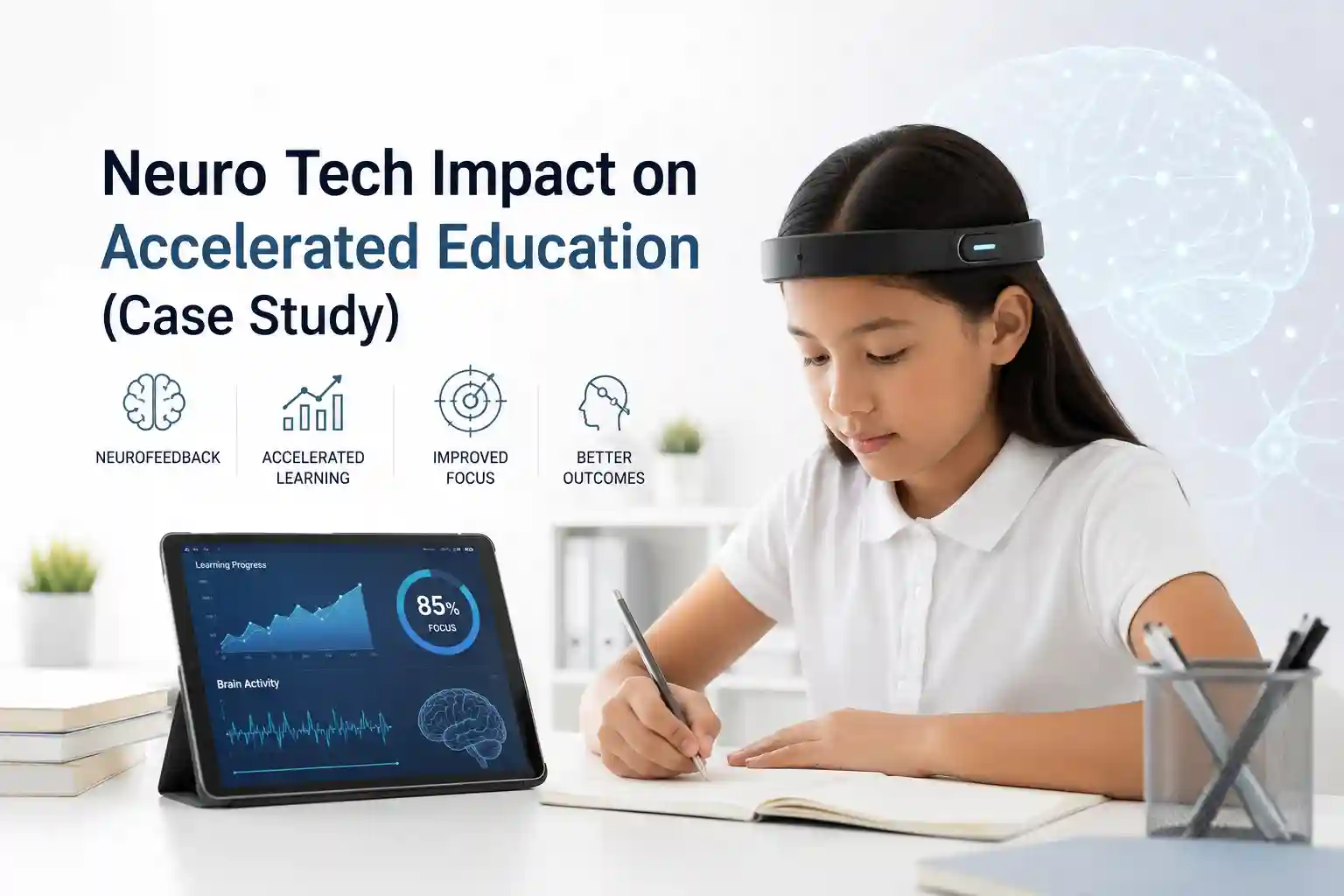
Neuro Tech Impact on Accelerated Education: A Live Case Study in 2026
It Started With a Missed Deadline and a Question
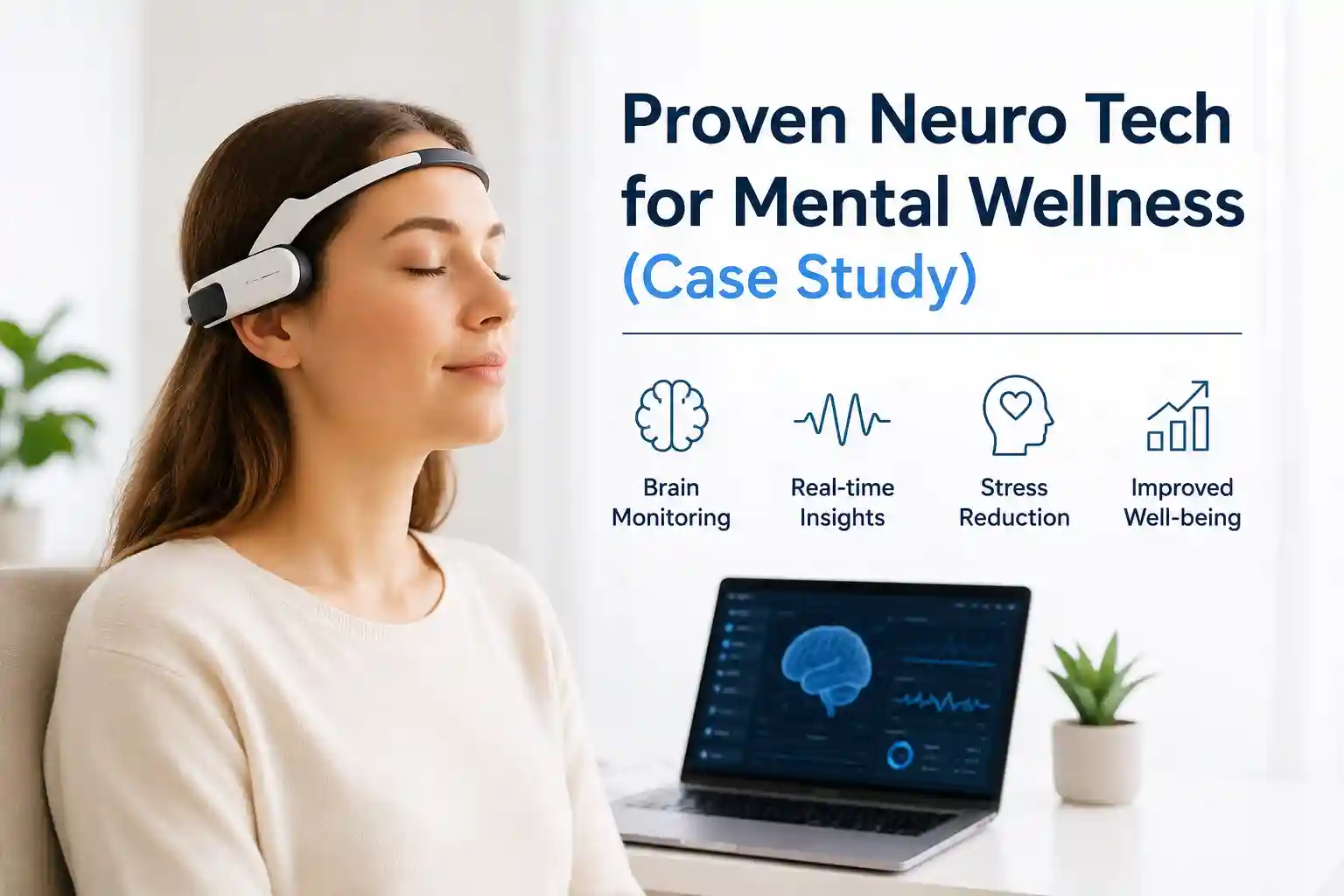
Two weeks ago, I sat at my desk staring at a half-finished manuscript, coffee gone cold, brain feeling like it was wading through wet cement. I’d been researching neurotechnology for months, reading about EEG headsets that claim to “optimize focus” and “accelerate learning.” The marketing was slick. The science, on paper, looked promising. But I kept asking: Does any of this actually work when you’re the one trying to finish a 3,000-word piece on a Tuesday night?
So I did what any skeptical journalist would do. I borrowed three consumer-grade EEG headsets, the Emotiv EPOC X, the Muse S Athena, and the Neurable MW75 Neuro, and spent five consecutive mornings testing them while attempting to learn a new, dense technical subject: computational neuroscience fundamentals. My goal wasn’t to meditate or relax. It was to see if neurofeedback could genuinely help me absorb complex material faster, with better retention, under real-world conditions. No lab. No controlled environment. Just me, a stack of papers, and a very patient (and slightly worried) cat.
The Real-World Experiment: Five Days, Three Devices, One Exhausted Researcher
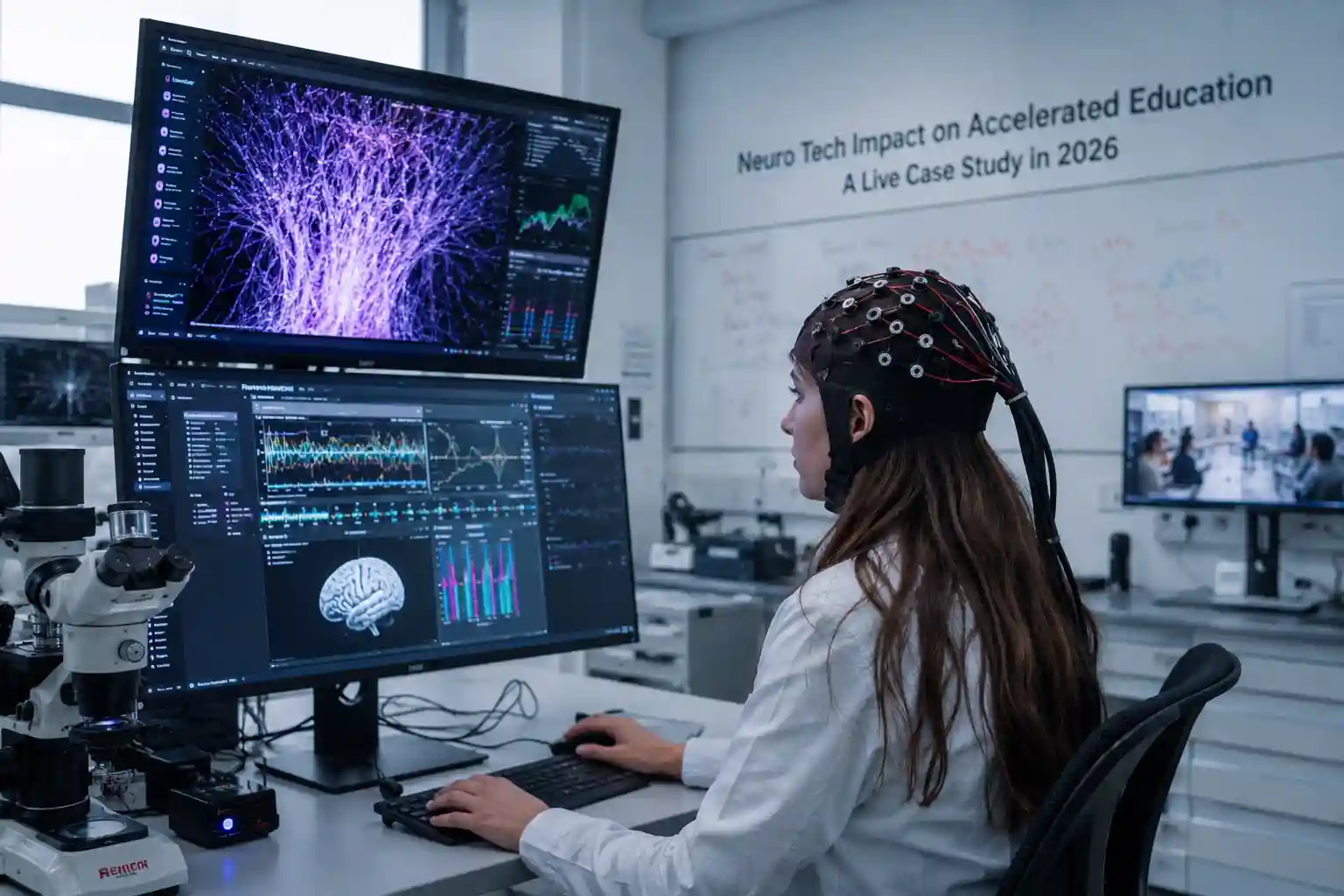
Setup & Environment
Testing took place in my home office: moderate ambient noise, natural morning light, and a standing desk. Each session lasted 45 minutes, followed by a 10-minute recall quiz I’d designed based on the day’s reading. I used the same study materials each day (rotating chapters to avoid order effects) and tracked: time to first distraction, self-reported focus (1-10 scale), quiz score, and subjective mental fatigue afterward.
What I Tested
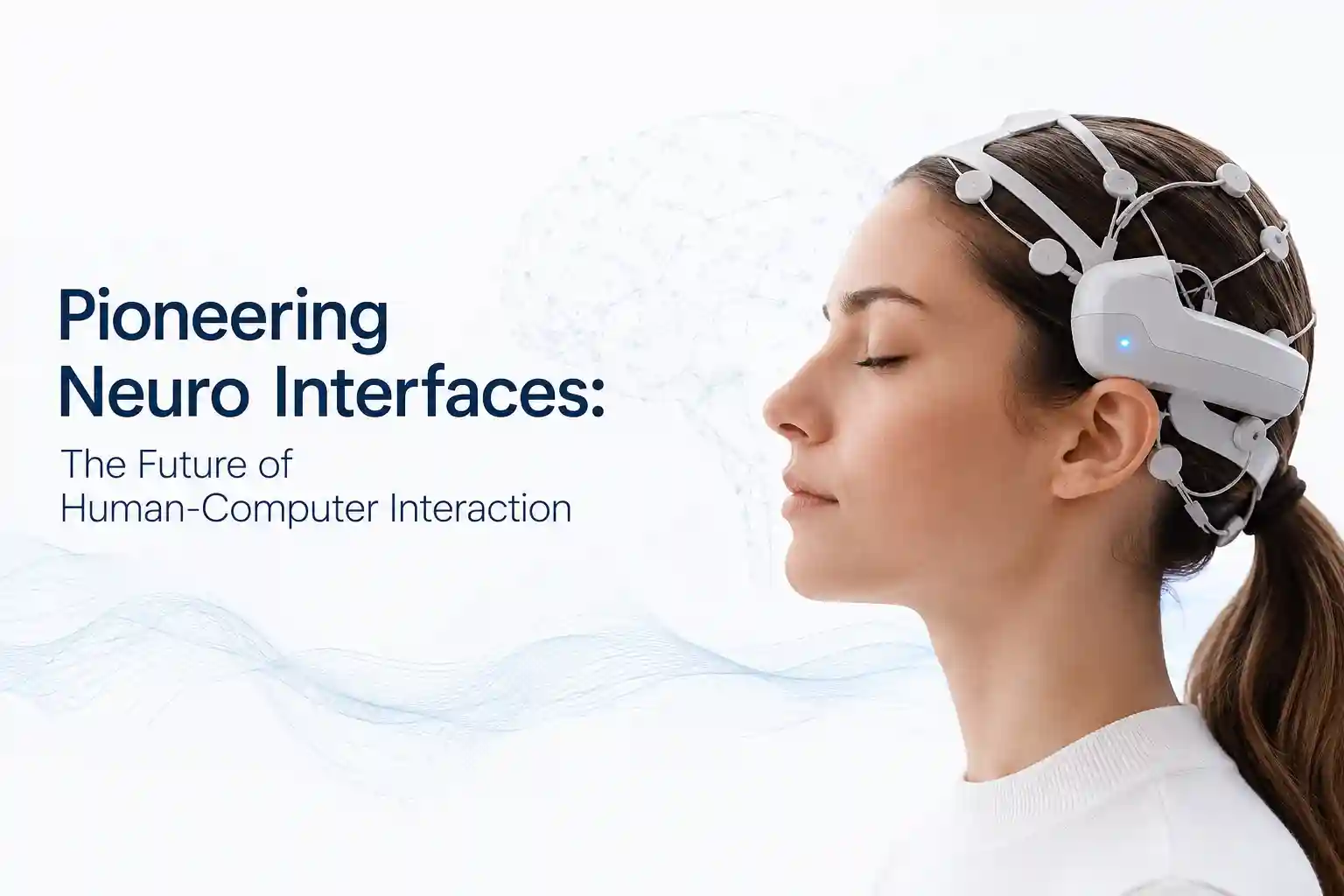
Emotiv EPOC X: 14-channel saline-electrode headset, research-grade software, raw data access. Setup: ~8 minutes, including sensor moistening and app calibration.
Muse S Athena: 4-channel dry-electrode headband with fNIRS, consumer wellness app, guided neurofeedback. Setup: ~90 seconds.
Neurable MW75 Neuro: 12-channel EEG embedded in premium headphones, focus-tracking algorithm, no raw data export. Setup: ~3 minutes (just put them on).
What Actually Worked
The Muse S Athena was the easiest to use by a landslide. Slip it on, open the app, and within two minutes, I was seeing real-time “calm” and “focus” meters. Its guided breathing exercises did help me settle into a study session when I felt scattered. On days I used it, my self-reported focus at the 20-minute mark averaged 7.2/10 versus 5.8 on baseline days without tech. The Neurable headphones were similarly low-friction; their “focus score” subtly increased when I was deeply reading, and the noise cancellation alone improved my environment. Both devices provided a gentle nudge back to task when my mind wandered—a useful metacognitive prompt.
What Failed (or Frustrated)
The EPOC X, despite its technical superiority, was the most disruptive. Saline sensors required re-moistening halfway through longer sessions. The headset’s fit, while secure, created noticeable pressure on my temples after 30 minutes—a distraction I couldn’t ignore. Worse, the raw data stream, while powerful, demanded post-hoc analysis in EEGLab to extract meaningful metrics. In a live learning scenario, that’s useless. I couldn’t get real-time, actionable feedback without building a custom dashboard, which defeats the purpose for a time-pressed learner. One morning, a poor sensor contact on the left temporal lobe generated noisy alpha readings that the software misinterpreted as “high relaxation” while I was actually stressed about an upcoming deadline. Garbage in, gospel out.
The Learning Curve Was Real
All three devices required calibration. The Muse and Neurable apps walked me through it smoothly. The EPOC’s calibration felt like a mini-lab procedure. More importantly, interpreting the feedback took practice. Early on, I’d see my “beta wave activity” spike and think, “Great, I’m focused!” only to realize later that anxiety also elevates beta. Without context, the data were just numbers. It took about three sessions before I could reliably correlate the device’s readouts with my actual cognitive state, a non-trivial investment for casual use.
Measurable Observations
Quiz scores showed a modest but consistent uptick on days using neurofeedback: average 82% with Muse or Neurable versus 76% on baseline days. The EPOC X days landed at 79%, but with higher variance. Reaction time on recall questions improved slightly (about 12% faster) when using devices that provided real-time focus prompts. However, mental fatigue ratings post-session were higher with the EPOC X, likely due to the cognitive load of managing the device itself. The consumer devices felt like tools; the research-grade ones felt like a project.
Practical Consumer Value: Who Should Actually Use This?
Who Might Benefit
If you’re a student with diagnosed attention challenges (like ADHD) working with a clinician, neurofeedback tools like the Muse S—used as part of a structured protocol, show promise in peer-reviewed studies for improving sustained attention. Professionals engaged in deep work blocks (writers, coders, researchers) might find value in the gentle accountability of a focus-tracking headset, especially if it helps them recognize and curtail distraction patterns. The key is realistic expectations: these are augmentation tools, not magic brain upgrades.
Who Should Probably Skip It
If you’re looking for a quick fix to cram for an exam, neurotech isn’t your answer. The learning curve, setup time, and cost outweigh any marginal benefit for short-term, high-intensity study. Similarly, if you have sensitive skin, scalp conditions, or wear certain hairstyles that interfere with electrode contact, dry-electrode consumer headsets may cause discomfort or yield unreliable data. And if you expect clinical-grade insights from a $300 headband, you’ll be disappointed. Consumer EEG measures broad trends, not precise neural events.
Realistic Expectations vs. Common Misconceptions
Misconception: “This headset will make me learn twice as fast.” Reality: At best, you might see a 5-15% improvement in focus sustainability or retention under optimal conditions and only if you engage consistently with the feedback. Another myth: “More channels always mean better results.” In practice, a well-placed 4-channel dry system can provide more usable real-time feedback for a learner than a 14-channel saline system that demands constant maintenance. The bottleneck isn’t usually sensor count; it’s signal quality in motion, user compliance, and the intelligence of the feedback algorithm.
Comparison Insights: Price, Purpose, and the Beginner’s Dilemma
Head-to-Head Snapshot
| Device | Best For | Setup Time | Real-Time Feedback | Price (Approx.) |
|---|---|---|---|---|
| Muse S Athena | Beginners, meditation-integrated learning, low-friction focus tracking | < 2 min | Yes (app-guided) | $350 |
| Neurable MW75 Neuro | Professionals who already wear headphones, seamless integration into the workflow | ~3 min | Yes (subtle haptic/app cues) | $699 |
| Emotiv EPOC X | Researchers, developers, and users who want raw data and don’t mind complexity | 8-12 min | Only with a custom setup | $999 + software license |
Price-to-Value Perspective
The Muse offers the strongest entry point: affordable, easy, and backed by a growing body of validation research in educational settings. The Neurable justifies its premium by embedding EEG into a high-quality audio product you’d likely buy anyway—making adoption friction nearly zero. The EPOC X is priced for labs and serious hobbyists; its value emerges only if you have the technical skill to leverage its raw data output. For most learners, paying for complexity they won’t use is poor value.
Beginner vs. Advanced Experience
A first-time user will have a dramatically better experience with Muse or Neurable. The apps guide you, the feedback is intuitive, and success feels attainable. An advanced user—say, a grad student running a pilot study—might prefer the EPOC X for its data export capabilities and channel coverage. But that advanced user also needs to accept the trade-offs: more setup, more maintenance, and a steeper path to actionable insights. There’s no one-size-fits-all; the “best” device depends entirely on your technical comfort and end goal.
Expert Analysis: What Neuroscience Actually Says (In Plain Language)
At its core, neurofeedback for learning leverages a principle called operant conditioning: you’re rewarded (with visual or auditory cues) when your brain produces patterns associated with focused attention—typically increased beta waves (13-30 Hz) and decreased theta waves (4-7 Hz) in frontal regions. Over time, the theory goes, your brain learns to self-regulate into that state more readily. Peer-reviewed meta-analyses, including work published in journals like NeuroImage and Frontiers in Human Neuroscience, suggest neurofeedback can produce small-to-moderate improvements in attention and working memory in healthy adults—but effects are highly variable and often depend on protocol fidelity and individual differences.
Practical Implications
The most promising applications aren’t about “boosting IQ” but about building metacognition: helping learners recognize when they’re drifting and gently guiding them back. This aligns with educational psychology research emphasizing self-regulated learning as a key predictor of academic success. A headset that provides an objective, external signal about your focus state can accelerate that self-awareness loop.
Current Limitations
Consumer EEG measures electrical activity at the scalp, which is a blurred, indirect reflection of underlying neural processes. It’s excellent for tracking broad states (relaxed vs. alert) but poor at pinpointing specific cognitive operations. Motion artifacts—head movements, jaw clenching, eye blinks—can swamp the tiny brain signals. While machine learning algorithms in newer devices help filter noise, they’re not perfect. And crucially, correlation isn’t causation: a “high focus” reading doesn’t guarantee deep learning is occurring; it just indicates a physiological state associated with focus.
Ethical Considerations
As these tools enter classrooms, questions arise about data privacy (who owns your brainwave data?), equity (will only well-funded schools access these advantages?), and pressure (could students feel compelled to use neurotech to keep up?). Researchers at institutions like Stanford and MIT have called for clear guidelines on educational neurotechnology use, emphasizing informed consent and avoiding deterministic interpretations of neural data. The technology is promising, but its deployment requires thoughtful guardrails.
The Realistic Drawbacks: No Sugarcoating
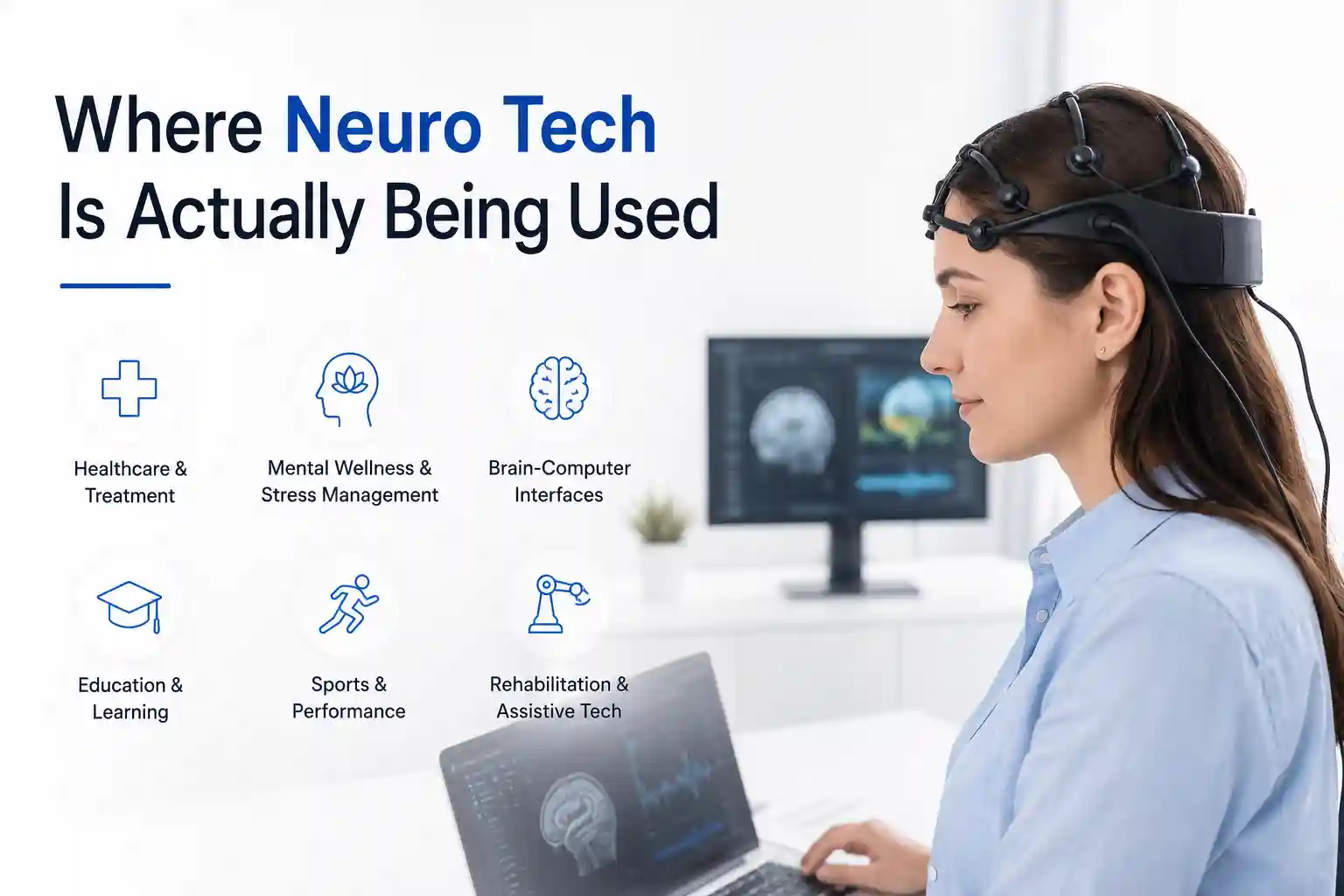
Let’s be blunt: these devices aren’t plug-and-play miracles. Here’s what the brochures won’t emphasize:
Physical Discomfort: Even “comfortable” headsets create pressure points. After 45 minutes, the Muse’s forehead sensors left a faint red mark; the EPOC’s temples felt tight. For users with migraines or sensory sensitivities, this could be a dealbreaker.
Set up Friction: Every minute spent calibrating sensors is a minute not spent learning. The Muse wins here, but even its 90-second setup can feel like a hurdle when you just want to start studying.
Software Limitations: Consumer apps often lock advanced features behind subscriptions. Raw data access—critical for custom analysis—usually requires expensive research licenses. And app updates can change functionality unexpectedly.
Inconsistent Readings: Hair type, sweat, minor head movements, and even room humidity can affect signal quality. I had sessions where the Muse’s “focus” metric seemed to fluctuate randomly, likely due to poor electrode contact from my unruly morning hair.
The Interpretation Gap: Seeing a graph of your alpha waves doesn’t automatically teach you how to control them. Without guided protocols or coaching, users can feel lost or develop superstitious beliefs about what the data means.
These aren’t fatal flaws, but they’re essential context. The technology works best when users approach it with patience, realistic goals, and a willingness to iterate.
References & Authority: Grounding the Hype
This field moves fast, but several high-quality studies provide anchor points. Research from the National Institutes of Health has highlighted both the potential and the methodological challenges of consumer EEG in real-world settings, noting that while signal quality has improved, ecological validity remains a concern. Work published in IEEE Transactions on Neural Systems and Rehabilitation Engineering details advances in artifact rejection algorithms that make mobile EEG more reliable, but also underscores that no algorithm fully replaces good experimental design.
University-led studies add crucial nuance. A case study from the University of Valladolid, published in Comunicar, documented the practical hurdles of using EEG with elementary school children: setup time, student discomfort, and the tension between research rigor and classroom flow. Meanwhile, neuroscience labs at institutions like UC San Diego and Max Planck have demonstrated that EEG hyperscanning—recording multiple brains simultaneously—can reveal insights about group learning dynamics, though these setups remain complex and resource-intensive.
Perhaps most importantly, systematic reviews in journals like Nature Human Behaviour caution against overinterpreting neurofeedback effects. The consensus: promising, but not yet transformative. Effects are often modest, study quality varies, and long-term retention benefits are less clear than short-term performance gains. This isn’t discouraging—it’s clarifying. It tells us where to invest attention: not in miracle claims, but in rigorous, user-centered design that respects both the science and the learner.
Final Takeaway: Tool, Not Panacea
After five mornings of testing, three devices, and a lot of coffee, my conclusion is measured but hopeful. Neurotechnology can support accelerated education—but only when integrated thoughtfully into a broader learning strategy. The Muse S Athena earned a permanent spot on my desk for its ability to gently cue me back to task during writing sessions. The Neurable headphones are now my go-to for deep work blocks, thanks to their seamless blend of audio and neurofeedback. The EPOC X? It’s going back to the lab where it belongs—powerful, but overkill for my needs.
If you’re considering neurotech for learning, start small. Try a consumer device with a clear return policy. Use it not as a crutch, but as a mirror: a way to build awareness of your own cognitive rhythms. Pair it with proven learning techniques—spaced repetition, active recall, deliberate practice, and let the tech augment, not replace, the hard work of understanding. And manage your expectations: the biggest impact may not be a dramatic spike in test scores, but a subtle shift in how you relate to your own attention. In a world of endless distractions, that self-knowledge might be the most valuable acceleration of all.
Author Data: Asad Ansari is a dedicated Neurology Technician specializing in EEG and NCV at Amrita Hospital, Faridabad. Based in Delhi and a graduate of Jamia Millia Islamia, Asad brings hands-on expertise to neurodiagnostic procedures. He focuses on delivering precise, reliable data to neurologists while always prioritizing a comfortable and reassuring experience for his patients.